
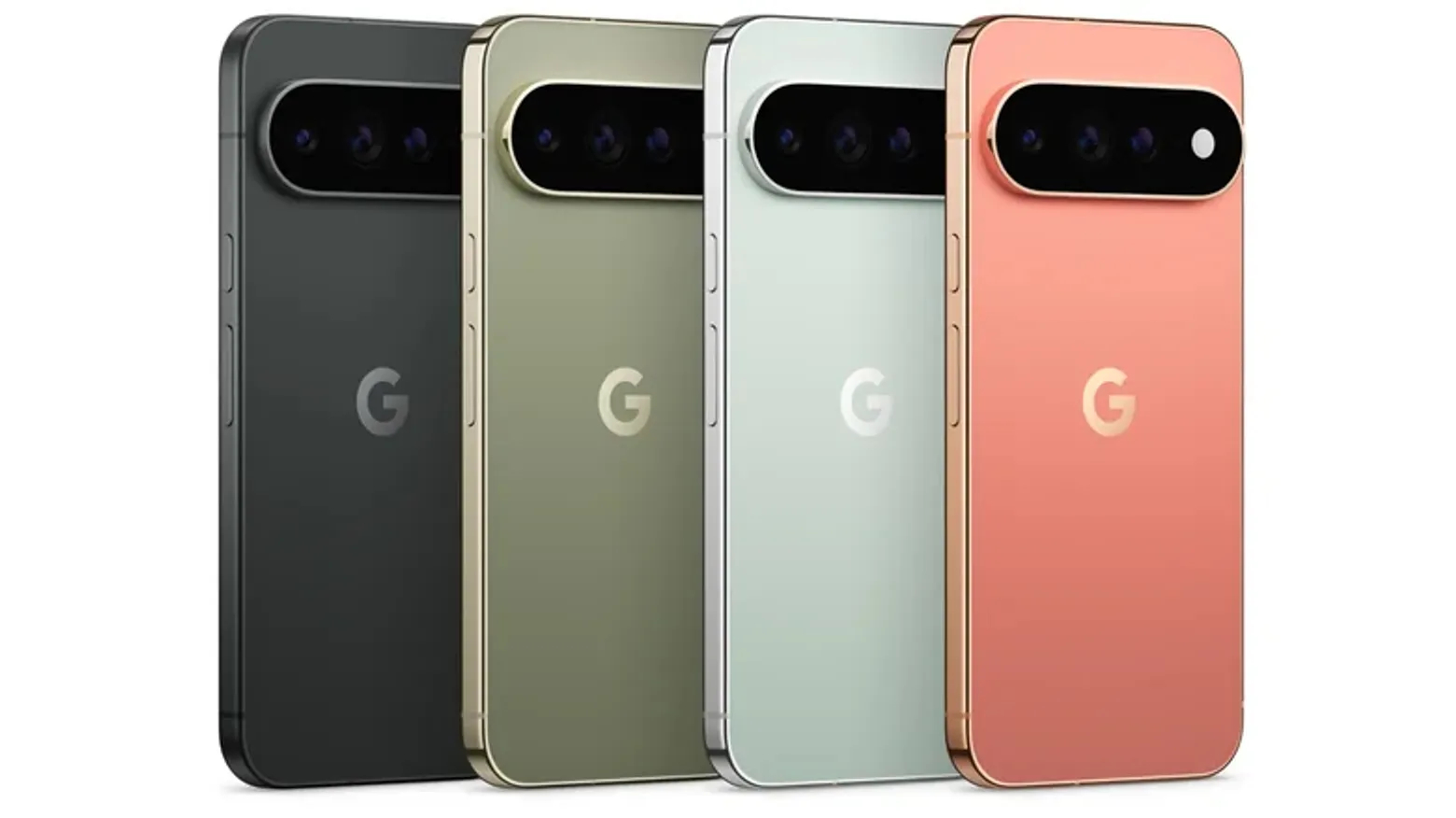
Google’s latest flagship smartphone, the Pixel 11 Pro, has revealed a concerning weakness during recent performance testing. The device, powered by the new Tensor G6 chip, demonstrated substantial throttling behavior when subjected to sustained workloads, raising questions about the thermal management capabilities of Google’s latest custom silicon. This discovery comes at a critical time as Google continues to position itself as a serious competitor in the premium smartphone market against established players like Apple and Samsung.
The testing revealed that while the Pixel 11 Pro delivers impressive peak performance numbers initially, these figures drop significantly once the device begins to heat up during extended use. This thermal throttling phenomenon occurs when a processor automatically reduces its clock speeds to prevent overheating, which can protect the hardware but results in a noticeably slower user experience during demanding tasks such as gaming, video editing, or running multiple applications simultaneously.
Understanding the Tensor G6 Thermal Challenge
The Tensor G6 represents Google’s continued commitment to developing custom silicon specifically optimized for artificial intelligence and machine learning tasks. Since launching its first Tensor chip in 2021 with the Pixel 6 series, Google has emphasized on-device AI processing capabilities over raw benchmark performance. However, this latest generation appears to struggle with heat dissipation, a challenge that has plagued previous Tensor iterations as well. Industry analysts note that Google’s partnership with Samsung for chip fabrication may contribute to these thermal characteristics, as Samsung’s manufacturing processes have historically produced chips that run warmer than those made by competitors like TSMC.
The thermal throttling issue is particularly relevant for users who rely on their smartphones for processor-intensive activities. Mobile gaming enthusiasts, content creators who edit photos and videos on their devices, and professionals using demanding productivity applications may notice performance degradation during extended sessions. This stands in contrast to competitors like Apple’s A-series chips and Qualcomm’s latest Snapdragon processors, which have demonstrated more consistent performance under thermal stress in similar testing scenarios.
Historical Context and Industry Implications
This is not the first time Google’s Tensor chips have faced criticism for thermal management. The original Tensor chip in the Pixel 6 and its successor in the Pixel 7 series both exhibited similar throttling behavior, leading many tech reviewers to note that Google prioritizes AI capabilities over sustained CPU and GPU performance. The company has consistently argued that real-world performance matters more than synthetic benchmarks, pointing to features like real-time translation, advanced computational photography, and on-device voice recognition as evidence of Tensor’s practical advantages.
However, the persistence of thermal issues across multiple chip generations suggests that this may be a fundamental design trade-off rather than a problem Google can easily solve through software optimization. Some industry experts speculate that Google may need to reconsider its chip architecture or manufacturing partnerships if it wants to compete more effectively in raw performance metrics while maintaining its AI-focused advantages. The smartphone market has become increasingly competitive, with consumers expecting flagship devices to excel in all areas, including sustained performance during demanding tasks.
What This Means for Consumers
For potential Pixel 11 Pro buyers, these findings present a nuanced decision-making scenario. Users who prioritize Google’s exceptional camera system, clean Android experience, and AI-powered features may find the thermal throttling to be an acceptable trade-off. The device still excels at everyday tasks like web browsing, social media, and photography, where sustained peak performance is less critical. However, power users who frequently engage in activities that push the processor to its limits may want to consider alternatives or wait for more comprehensive reviews before making a purchase decision.
Google has not yet officially responded to these specific test results, though the company typically emphasizes that its devices are optimized for real-world usage patterns rather than benchmark performance. As smartphone processors continue to advance in capability, effective thermal management remains one of the most significant engineering challenges in mobile device design, particularly as consumers demand thinner, lighter devices with longer battery life—all factors that can complicate heat dissipation.
Expert Opinion: The persistent thermal throttling issues across Tensor generations indicate Google may need to fundamentally reassess its chip design philosophy or manufacturing partnerships. While the company’s AI-first approach delivers genuine user benefits, the premium smartphone market increasingly demands consistent performance across all use cases. Google’s long-term success in the flagship segment may depend on finding a better balance between artificial intelligence capabilities and traditional processing performance.