
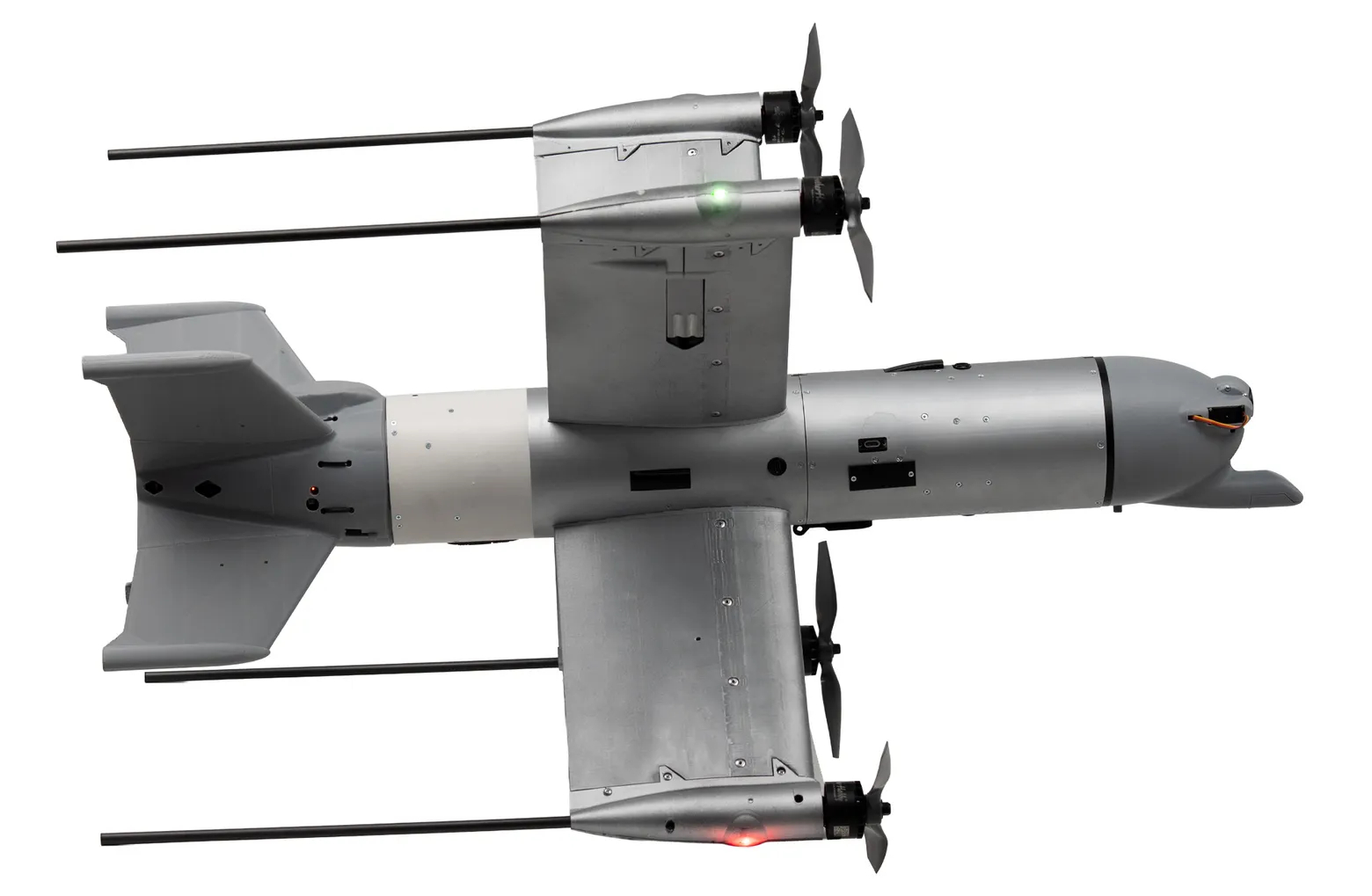
In a significant development for European defense cooperation, a Ukrainian company is set to establish a joint drone manufacturing facility in Denmark. This partnership represents a milestone in the growing collaboration between Ukraine and NATO member states, as Western allies continue to support Kyiv’s defense capabilities while simultaneously strengthening their own military-industrial bases. The announcement comes at a time when unmanned aerial vehicles have proven to be crucial assets in modern warfare, fundamentally changing how conflicts are conducted on the battlefield.
The joint Ukrainian-Danish drone production initiative reflects a broader trend of European nations seeking to bolster their domestic defense manufacturing capabilities in response to evolving security challenges on the continent. Denmark, a founding member of NATO, has been actively supporting Ukraine since the beginning of the full-scale conflict, providing military aid, humanitarian assistance, and now taking the partnership to a new level through industrial cooperation. This facility will not only produce drones for potential use in Ukraine but also contribute to Denmark’s own defense modernization efforts.
Strategic Importance of Drone Technology in Modern Warfare
The decision to establish this manufacturing facility underscores the revolutionary role that drone technology has played in contemporary military operations. Over the past few years, unmanned aerial vehicles have transformed from niche reconnaissance tools into essential combat multipliers capable of conducting surveillance, precision strikes, and logistical support. Ukrainian forces have demonstrated remarkable innovation in adapting commercial drone technology for military purposes, developing tactics that have drawn attention from military analysts worldwide. From small first-person-view quadcopters used for precision attacks to larger reconnaissance platforms capable of long-range missions, drones have become indispensable on the modern battlefield.
Military experts estimate that thousands of drones are being deployed and lost each month in active conflict zones, creating an unprecedented demand for rapid production capabilities. This high attrition rate has pushed both military planners and defense manufacturers to develop more efficient production methods and cost-effective designs. The Ukrainian defense industry has responded with remarkable agility, creating numerous domestic drone programs despite the challenges of operating under wartime conditions. By establishing production facilities in allied countries like Denmark, Ukrainian manufacturers can ensure supply chain stability, access advanced European manufacturing technologies, and scale up production without the risks associated with operating in a conflict zone.
Denmark’s Growing Role in European Defense
Denmark has undergone a significant shift in its defense posture following recent geopolitical developments in Europe. In June 2022, Danish voters approved ending the country’s three-decade opt-out from European Union defense policies in a historic referendum, signaling a new era of Danish engagement in collective security efforts. The Scandinavian nation has since increased its defense spending and actively sought partnerships to strengthen its military capabilities. Hosting a Ukrainian drone manufacturing facility aligns with Copenhagen’s strategic objectives of enhancing regional security while supporting an ally under attack.
The partnership also reflects Denmark’s recognition of the need to develop indigenous defense production capabilities within Europe. For decades, many European NATO members relied heavily on American defense contractors for advanced military equipment. However, recent supply chain challenges and the urgent demand created by ongoing conflicts have highlighted the importance of maintaining robust domestic manufacturing capacity. By collaborating with Ukrainian partners who have gained invaluable real-world experience in drone warfare, Denmark can accelerate its own technological development while contributing to a vital ally’s defense needs.
Economic and Industrial Implications
Beyond the immediate military benefits, the joint drone manufacturing venture carries significant economic implications for both nations. For Ukraine, establishing production facilities in NATO countries provides access to stable infrastructure, skilled labor, and supply chains unaffected by military operations. It also demonstrates Ukraine’s growing integration into the European industrial ecosystem, a process that has accelerated since the country received EU candidate status. Ukrainian defense companies have developed considerable expertise under extremely challenging circumstances, and this knowledge transfer benefits European partners seeking to rapidly expand their capabilities.
For Denmark, the facility represents an opportunity to develop a new high-technology manufacturing sector. The global market for military and civilian drones is projected to grow substantially over the coming decade, and early investment in production capabilities positions Danish industry to capture a share of this expanding market. The collaboration may also attract additional defense-related investments and create skilled jobs in aerospace engineering, electronics manufacturing, and software development. Local governments and business associations have expressed optimism about the potential economic ripple effects of hosting such advanced manufacturing operations.
Expert Opinion: This Ukrainian-Danish drone manufacturing partnership signals a fundamental shift in European defense industrial strategy, where battlefield-tested innovation from Ukraine is being integrated with Western manufacturing capabilities. We can expect similar collaborative ventures to emerge across NATO countries as allies recognize that distributed production networks offer both strategic resilience and accelerated technological development. This model of partnership may well define the future of European defense cooperation for decades to come.