
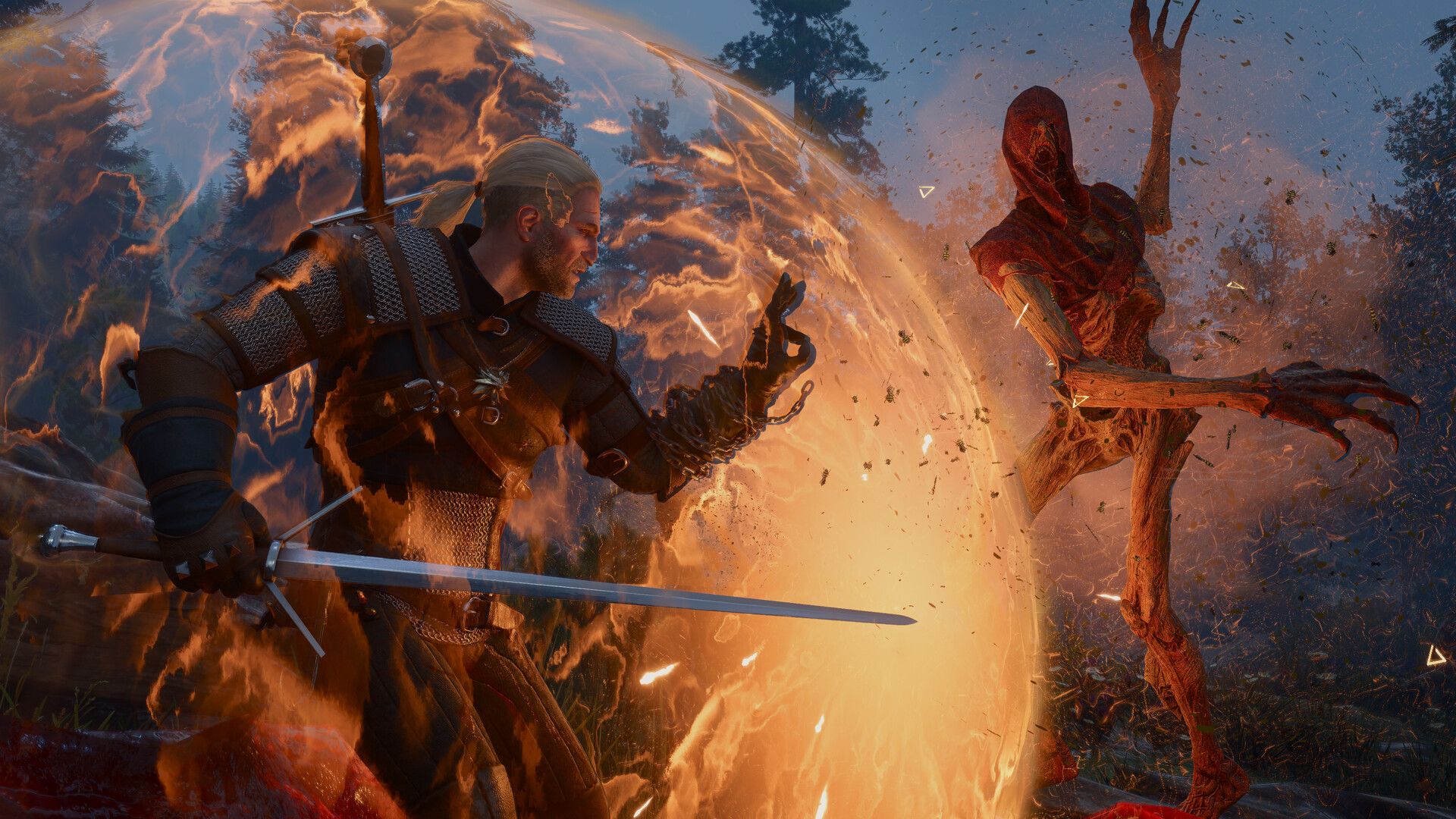
The Witcher 3: Wild Hunt is an open-world RPG that, despite being 11 years old, continues to stand strong as one of the most beloved games in the industry. This remarkable longevity speaks volumes about the quality of CD Projekt Red’s masterpiece, which has sold over 50 million copies worldwide and garnered countless Game of the Year awards since its 2015 release. After watching an hour-long preview gameplay demo of its upcoming expansion, Songs of the Past, at Gamescom 2025, that enduring appeal has never been more evident. The new content promises to deliver everything fans have been waiting for while introducing exciting new mechanics that feel both fresh and faithful to the original experience.
Songs of the Past marks a significant return to the world of The Witcher 3, coming years after the Blood and Wine expansion seemingly closed the chapter on Geralt’s adventures. The announcement of new content caught the gaming community by surprise, as many had assumed CD Projekt Red had moved entirely toward developing The Witcher 4. However, the studio’s decision to revisit their beloved classic demonstrates their commitment to the existing fanbase while also introducing the game to a new generation of players who may have discovered the series through the Netflix adaptation starring Henry Cavill and later Liam Hemsworth.
Geralt’s Arsenal Expands with New Weaponry
One of the most exciting revelations from the Gamescom demo was the introduction of new weapons for Geralt to wield. While the iconic silver and steel swords remain central to combat, the expansion introduces additional armaments that expand tactical options during encounters with monsters and human enemies alike. The developers have carefully balanced these new additions to complement rather than replace the established combat system, ensuring that veteran players feel at home while enjoying enhanced gameplay possibilities. The new weapon system appears to draw inspiration from lesser-known Witcher lore, giving long-time fans of Andrzej Sapkowski’s original novels plenty to appreciate.
Combat demonstrations revealed refined mechanics that build upon the foundation established in the base game and enhanced in subsequent updates, including the celebrated next-generation upgrade released in 2022. Enemy AI has received noticeable improvements, with creatures displaying more varied attack patterns and tactical awareness. Monsters now work in coordination when encountered in groups, forcing players to think more strategically about positioning and ability usage. The dodge and parry systems feel more responsive, suggesting that CD Projekt Red has incorporated lessons learned from other action RPGs released in the years since The Witcher 3’s original launch.
Deadly New Enemies Challenge Veteran Witchers
Songs of the Past introduces a roster of fearsome new enemies drawn from Slavic mythology and original creations that fit seamlessly into the established bestiary. The demo showcased several encounters with creatures that required different approaches to defeat, emphasizing the importance of preparation and alchemy that has always been central to the Witcher experience. Some enemies displayed weaknesses to specific signs or bombs, rewarding players who take the time to research their quarry before engaging in combat. The creature designs demonstrated impressive attention to detail, with grotesque yet artistically compelling monsters that would feel at home alongside classics like the Fiend and the Leshen.
Beyond individual monster encounters, the expansion appears to feature larger-scale battles that push the game’s engine to impressive new heights. Environmental destruction plays a more prominent role, with creatures capable of altering the battlefield in meaningful ways. These encounters feel cinematic while maintaining the gameplay depth that hardcore fans expect from The Witcher series. The storyline promises to explore previously untold aspects of Geralt’s past, with the title “Songs of the Past” hinting at narrative connections to events and characters from earlier in the Witcher timeline.
A Testament to Timeless Game Design
The continued success of The Witcher 3 and the anticipation surrounding Songs of the Past underscores how exceptional game design can transcend generational boundaries. In an industry often criticized for rushed releases and incomplete products, CD Projekt Red’s commitment to quality has built tremendous goodwill with their audience. The expansion represents not merely additional content but a celebration of what made the original game special. As players eagerly await the release date announcement, the Gamescom demo has confirmed that Geralt’s latest adventure will be worth the wait, delivering the mature storytelling, challenging combat, and atmospheric world-building that defined The Witcher 3 as a landmark achievement in role-playing games.
Expert Opinion: The decision to release substantial new content for an 11-year-old game represents a fascinating industry trend where publishers recognize the long-tail value of beloved titles. Songs of the Past could serve as a strategic bridge, keeping the Witcher franchise culturally relevant while CD Projekt Red completes development on The Witcher 4. This approach may also test new gameplay systems and narrative directions that could inform the next mainline entry, making it both a gift to existing fans and a valuable development exercise.