
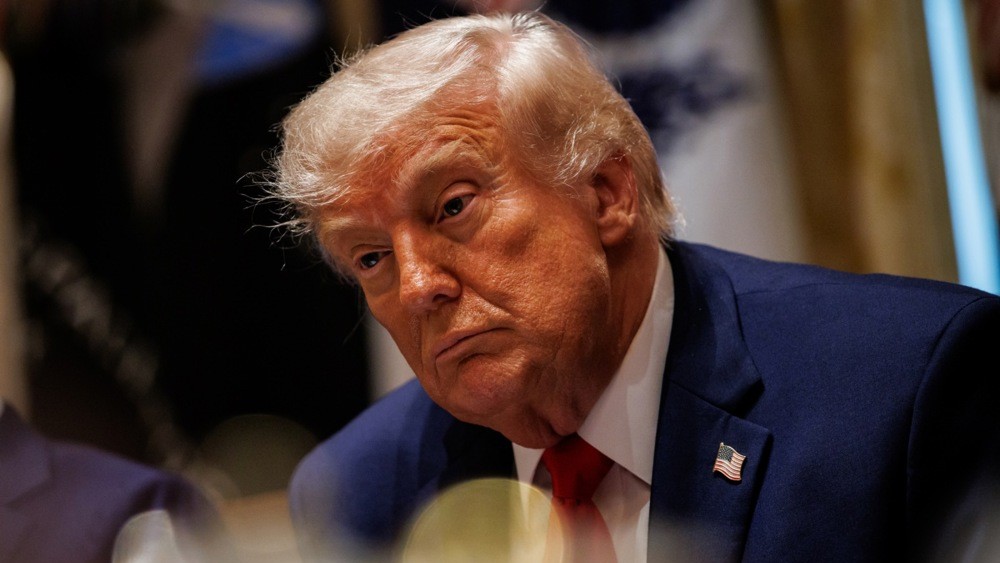
Former Ukrainian Digital Transformation Minister Mykhailo Fedorov has publicly addressed speculation about whether he would travel to the United States to seek support from former President Donald Trump. In a candid response, Fedorov stated that such a move would be “personally unnatural” for him, emphasizing his belief that Ukrainians should not have external forces dictating or imposing any issues upon them. The statement comes amid ongoing discussions about Ukraine’s diplomatic strategies and the complex web of international relationships that continue to shape the country’s future during wartime.
Fedorov’s Stance on Ukrainian Sovereignty and External Influence
Fedorov’s remarks reflect a broader sentiment among many Ukrainian officials who prioritize national sovereignty and self-determination in decision-making processes. The former minister, who served as one of the youngest cabinet members in Ukrainian history when he joined the government at age 28, has consistently advocated for Ukraine’s technological independence and autonomous development. His statement that “no one should impose or not impose any issues from outside” underscores a philosophy that emphasizes Ukrainian agency in navigating both domestic and international challenges.
The context of these comments is particularly significant given the current geopolitical landscape. Since Russia’s full-scale invasion began in February 2022, Ukraine has relied heavily on international support, particularly from Western allies including the United States and European Union member states. American military aid, which has totaled over $75 billion since the invasion began, has been crucial for Ukraine’s defense capabilities. However, the question of how Ukraine should engage with various political factions in donor countries remains a delicate diplomatic challenge.
The Trump Factor in Ukraine’s Diplomatic Calculations
The question posed to Fedorov touches on a sensitive issue for Ukrainian leadership: how to navigate relationships with different political figures in the United States, particularly as the American political landscape continues to evolve. Former President Trump has made various statements about the Ukraine conflict, including claims that he could negotiate an end to the war quickly if returned to office. These pronouncements have created uncertainty in Kyiv about future American policy directions, regardless of which party controls the White House.
Ukrainian officials have generally attempted to maintain bipartisan relationships in Washington, recognizing that support for Ukraine has historically come from both Democrats and Republicans. However, this balancing act has become increasingly complicated as American domestic politics have become more polarized on foreign policy issues. Fedorov’s reluctance to personally engage in what might be perceived as political lobbying reflects an awareness of these sensitivities and perhaps a desire to maintain distance from potentially divisive political dynamics abroad.
Fedorov’s Legacy in Ukrainian Digital Transformation
Mykhailo Fedorov made his mark on Ukrainian governance primarily through his work in digital transformation rather than traditional diplomacy. As minister, he spearheaded the development of Diia, Ukraine’s revolutionary digital services application that has become a model for e-governance worldwide. The app allows citizens to access government documents, pay taxes, register businesses, and even access wartime services, all from their smartphones. His tech-focused approach to governance earned Ukraine recognition as a leader in digital government innovation.
During the war, Fedorov also gained international attention for his unconventional approach to supporting Ukraine’s defense, including public appeals on social media for technological assistance and his role in coordinating drone warfare capabilities. His background as a tech entrepreneur rather than a career politician perhaps explains his preference for direct action over traditional diplomatic overtures. The former minister’s statement about finding certain diplomatic approaches “unnatural” aligns with his reputation for straightforward communication and pragmatic problem-solving.
As Ukraine continues to navigate its complex international relationships while defending its territory, voices like Fedorov’s contribute to an ongoing national conversation about identity, sovereignty, and the terms on which the country engages with the world. His comments serve as a reminder that even amid existential challenges, questions of national dignity and self-determination remain paramount for many Ukrainians.
Expert Opinion: Fedorov’s position reflects a growing confidence among Ukrainian leaders that their country’s value to Western security architecture gives them leverage to engage with international partners on more equal terms, rather than as supplicants. This shift in mindset could reshape Ukraine’s diplomatic approach in the post-war period, potentially leading to more assertive negotiations on EU membership, NATO integration, and reconstruction partnerships.