
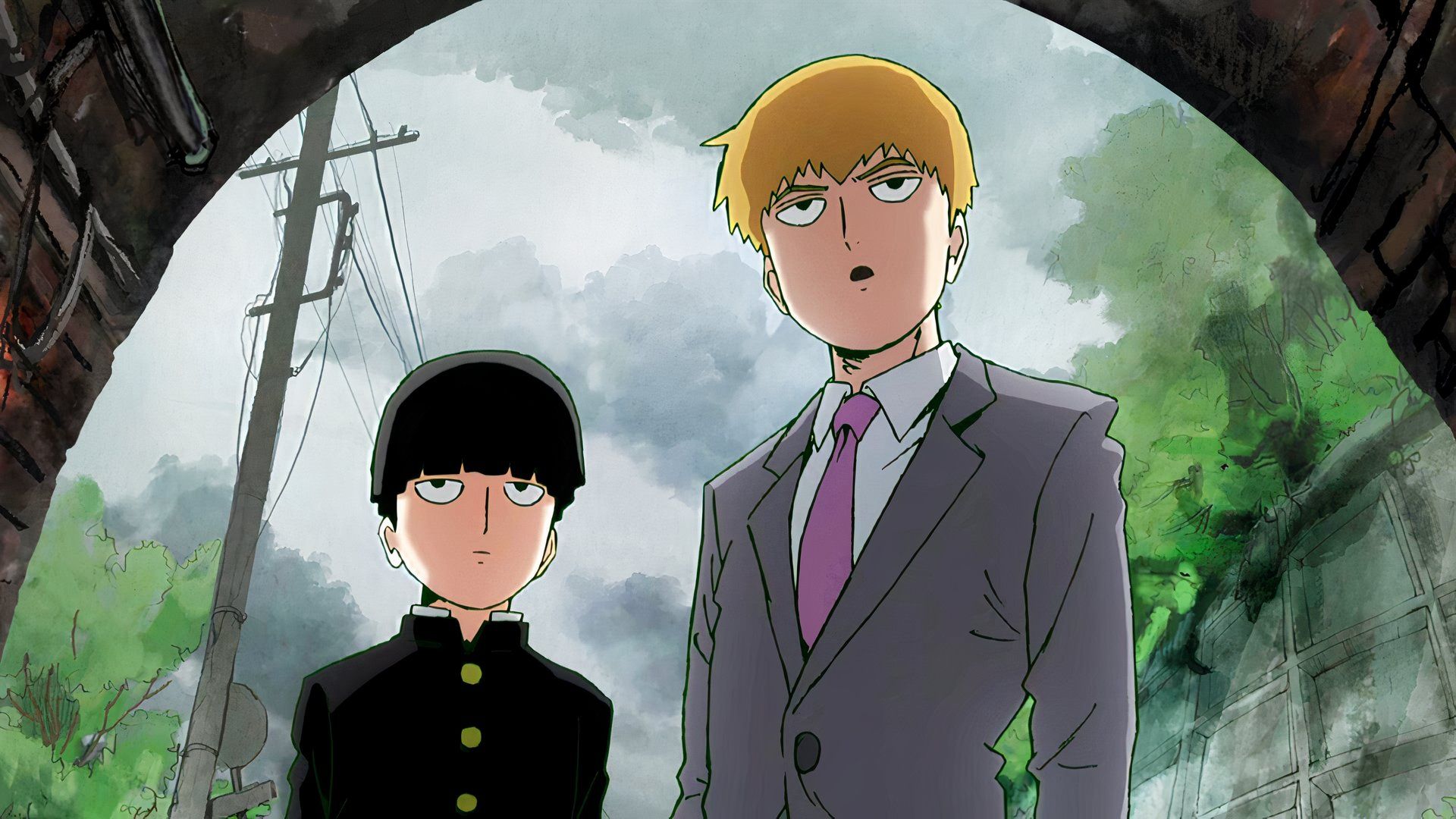
The “chosen one” is one of the oldest and most enduring tropes in storytelling history, captivating audiences across generations and cultures. There is something inherently compelling about watching an ordinary person discover they are extraordinary, destined for greatness beyond their wildest imagination. From ancient mythology to modern blockbusters, this narrative device has proven its staying power time and again. Anakin Skywalker is foretold to bring balance to the Force in Star Wars. Harry Potter inherits the weight of a prophesied wizarding revolution. Bleach’s Ichigo Kurosaki takes on the spiritual mantle of a Soul Reaper. Throughout pop culture history, creators have built their heroes on the foundation of destiny, saddling them with impossible burdens right alongside their god-tier abilities.
Yet while the chosen one trope remains popular, it has also drawn criticism for undermining character agency and diminishing the value of hard work. If a hero is simply born special, what does that say about the rest of us? This is where anime, particularly the shonen genre, has carved out fascinating territory by both embracing and subverting these expectations. Ten years ago, one anime delivered perhaps the most powerful rebuttal to destiny-driven narratives ever put to screen, and its impact continues to resonate with fans worldwide today.
The Weight of Destiny in Anime Storytelling
The anime and manga industry has long grappled with the tension between destiny and determination. Series like Naruto initially present their protagonists as underdogs before revealing they were actually descendants of legendary figures all along. Dragon Ball’s Goku transforms from a mysterious alien child into the prophesied Super Saiyan of legend. While these revelations create dramatic moments, they can undercut the very themes of perseverance that made these characters beloved in the first place. Critics argue that when Naruto is revealed to be the reincarnation of a demigod, his journey from outcast to Hokage loses some of its inspirational power.
This is precisely what makes certain anime quotes and moments so powerful when they push back against predetermined fate. The best shonen series understand that audiences connect most deeply with characters who earn their victories through struggle, sacrifice, and sheer willpower. When a character explicitly rejects the notion that they were born special and instead attributes their strength to relentless effort, it strikes a chord that pure destiny narratives cannot match. These moments remind viewers that extraordinary achievements are within reach for anyone willing to put in the work.
Why This Message Resonates Across Cultures
The enduring appeal of anti-destiny narratives speaks to universal human experiences. Most people are not born into privilege or prophecy. They face their challenges without the comfort of knowing they were chosen for greatness. When anime heroes articulate that their power comes not from birthright but from countless hours of training, from falling down and getting back up, from refusing to quit when everything seemed hopeless, they speak directly to the struggles of everyday viewers. This is motivational storytelling at its finest, wrapped in spectacular action and emotional drama.
Cultural analysts have noted that this theme holds particular significance in Japanese society, where the concept of “ganbaru” (persevering through hardship) is deeply valued. However, the message transcends cultural boundaries. Western audiences, raised on stories of chosen ones and magical bloodlines, often find these alternative narratives refreshing and more relatable. The quote in question has been shared millions of times on social media, tattooed on fans’ bodies, and cited as genuine life motivation by people who have never watched a single episode of anime. Its power lies in its simplicity and its truth.
A Legacy That Continues to Inspire
A decade after its delivery, this iconic anime moment remains a touchstone for discussions about storytelling, character development, and the messages we embed in our entertainment. It has influenced subsequent anime creators, who have become increasingly thoughtful about how they portray the origins of their heroes’ abilities. The quote serves as a reminder that the most powerful stories are often those that empower rather than mystify, that show us what we can become rather than what we were always meant to be. As anime continues its global dominance, this ten-year-old wisdom stands as one of the medium’s greatest contributions to popular culture.
Expert Opinion: The anime industry’s ongoing success in Western markets can be partially attributed to its willingness to challenge traditional heroic narratives that dominate Hollywood storytelling. As streaming platforms continue expanding their anime catalogs, we can expect more series to embrace themes of earned achievement over predetermined destiny, reflecting shifting audience preferences toward relatable, self-made protagonists rather than chosen ones born into greatness.