
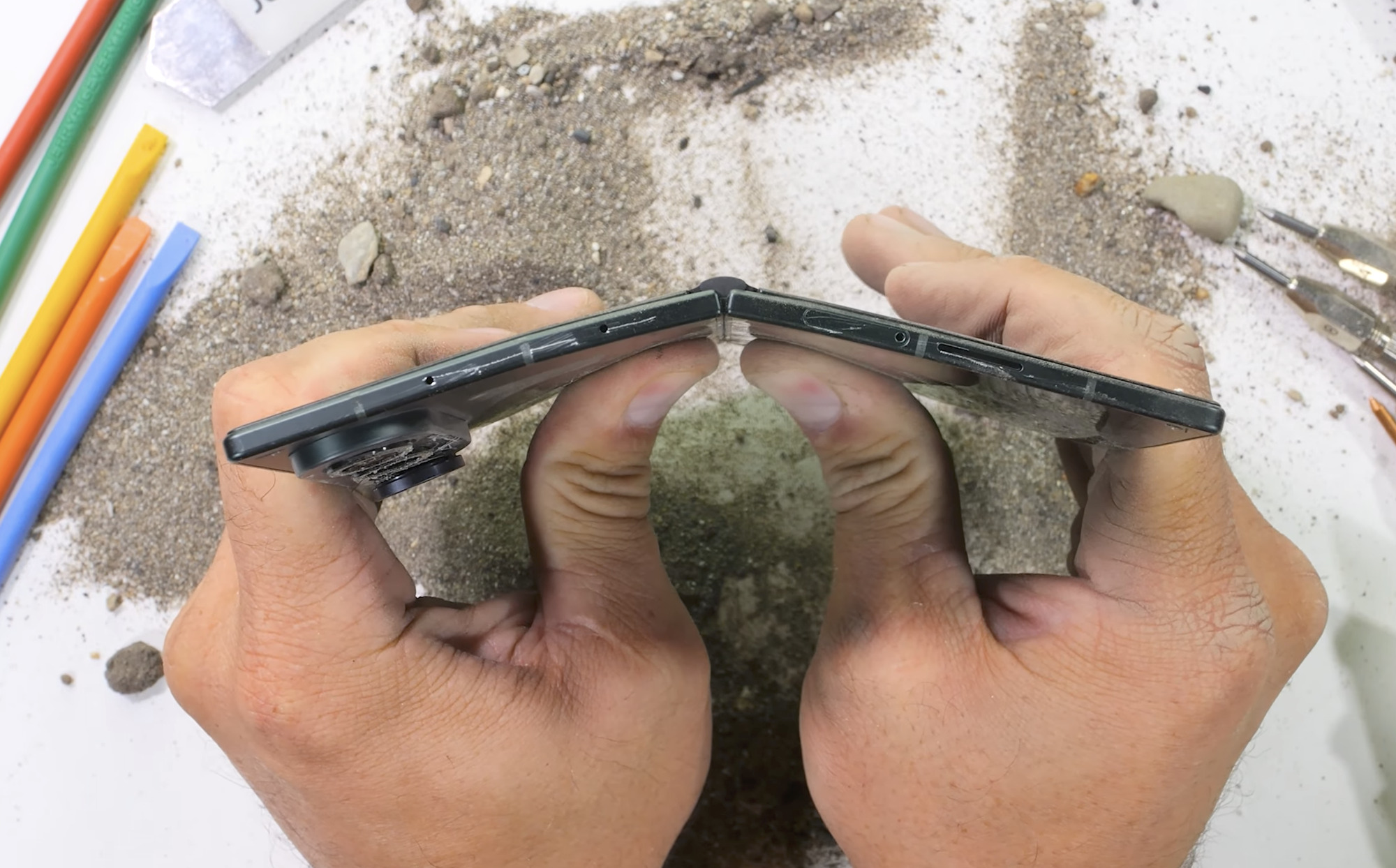
Samsung’s latest premium foldable device, the Galaxy Fold 8 Ultra, has encountered significant durability concerns during rigorous stress testing, exposing a potential vulnerability in the company’s flagship folding smartphone. The ultra-thin device, which represents Samsung’s most ambitious and expensive entry into the foldable market, demonstrated a notable weak point when subjected to standard durability assessments, raising questions about the trade-offs between sleek design and structural integrity.
The revelation comes at a critical time for Samsung, which has been competing fiercely with rivals in the increasingly competitive foldable smartphone segment. Industry analysts have been closely watching how the company balances its pursuit of thinner, lighter devices with the fundamental engineering challenges inherent to folding screen technology. The durability test results suggest that Samsung’s push toward ultra-slim form factors may have come at the expense of overall device robustness.
The Evolution of Foldable Technology and Its Engineering Challenges
Foldable smartphones represent one of the most significant innovations in mobile technology over the past decade. Since Samsung introduced its first Galaxy Fold in 2019, the company has continuously refined its approach to folding displays and hinge mechanisms. However, the fundamental challenge of creating a device that can withstand thousands of fold cycles while remaining thin and lightweight has proven to be an ongoing engineering puzzle. The flexible OLED displays used in these devices are inherently more delicate than traditional glass screens, requiring sophisticated protective layers and precisely engineered hinges to prevent damage over time.
The push toward thinner devices intensifies these challenges exponentially. When manufacturers reduce the thickness of foldable phones, they must correspondingly decrease the size of internal components, including the hinge mechanism, frame reinforcements, and protective elements surrounding the display. This creates a delicate balancing act where each millimeter saved in thickness can potentially compromise the device’s ability to withstand everyday use. Samsung’s Ultra variant, designed to be the thinnest in its category, appears to have reached a threshold where structural compromises become apparent under stress testing conditions.
Market Implications and Consumer Expectations
The durability concerns surrounding the Galaxy Fold 8 Ultra carry significant implications for both Samsung and the broader foldable smartphone market. Premium foldable devices command prices that often exceed $1,500, with the Ultra variants pushing even higher into luxury territory. At these price points, consumers reasonably expect exceptional build quality and long-term reliability. Previous generations of foldable phones have already faced scrutiny over durability issues, including screen creasing, hinge failures, and sensitivity to dust and debris. Any perception that Samsung has prioritized aesthetics over durability could impact consumer confidence in the entire foldable category.
Industry experts note that Samsung faces intense pressure from Chinese competitors, including Huawei, Honor, and Xiaomi, all of which have been releasing increasingly sophisticated foldable devices at competitive price points. This competitive pressure may have influenced Samsung’s design decisions, pushing the company to prioritize headline-grabbing specifications like thinness over more practical considerations. The challenge for Samsung now lies in addressing these concerns without abandoning its vision for ultra-premium foldable devices that showcase technological leadership.
Looking Ahead: Lessons for Future Development
The durability test results for the Galaxy Fold 8 Ultra provide valuable feedback for Samsung’s engineering teams as they plan future iterations of foldable technology. Materials science continues to advance rapidly, with researchers developing stronger and more flexible polymers, improved hinge designs, and more resilient display technologies. Samsung has historically demonstrated the ability to learn from early product challenges, as evidenced by significant improvements between the first Galaxy Fold and subsequent generations. The company will likely incorporate lessons from the Fold 8 Ultra’s weaknesses into future designs, potentially finding innovative solutions that allow for thin profiles without sacrificing structural integrity.
For consumers considering premium foldable devices, the situation underscores the importance of thorough research and realistic expectations. While foldable smartphones offer unique functionality and impressive technology, they remain more delicate than traditional slab-style phones. As the technology matures and manufacturing processes improve, the gap between foldable and conventional device durability will likely narrow. Until then, prospective buyers must weigh the cutting-edge features and form factors against potential longevity concerns.
Expert Opinion: The Galaxy Fold 8 Ultra’s durability issues reflect a broader industry tension between innovation speed and product maturity. Samsung will likely address these weaknesses in subsequent models, but this episode serves as a reminder that first-generation ultra-thin foldables require consumers to accept some trade-offs. Expect Samsung to introduce enhanced materials or structural reinforcements by the next generation, potentially setting new industry standards for thin-yet-durable foldable construction.