
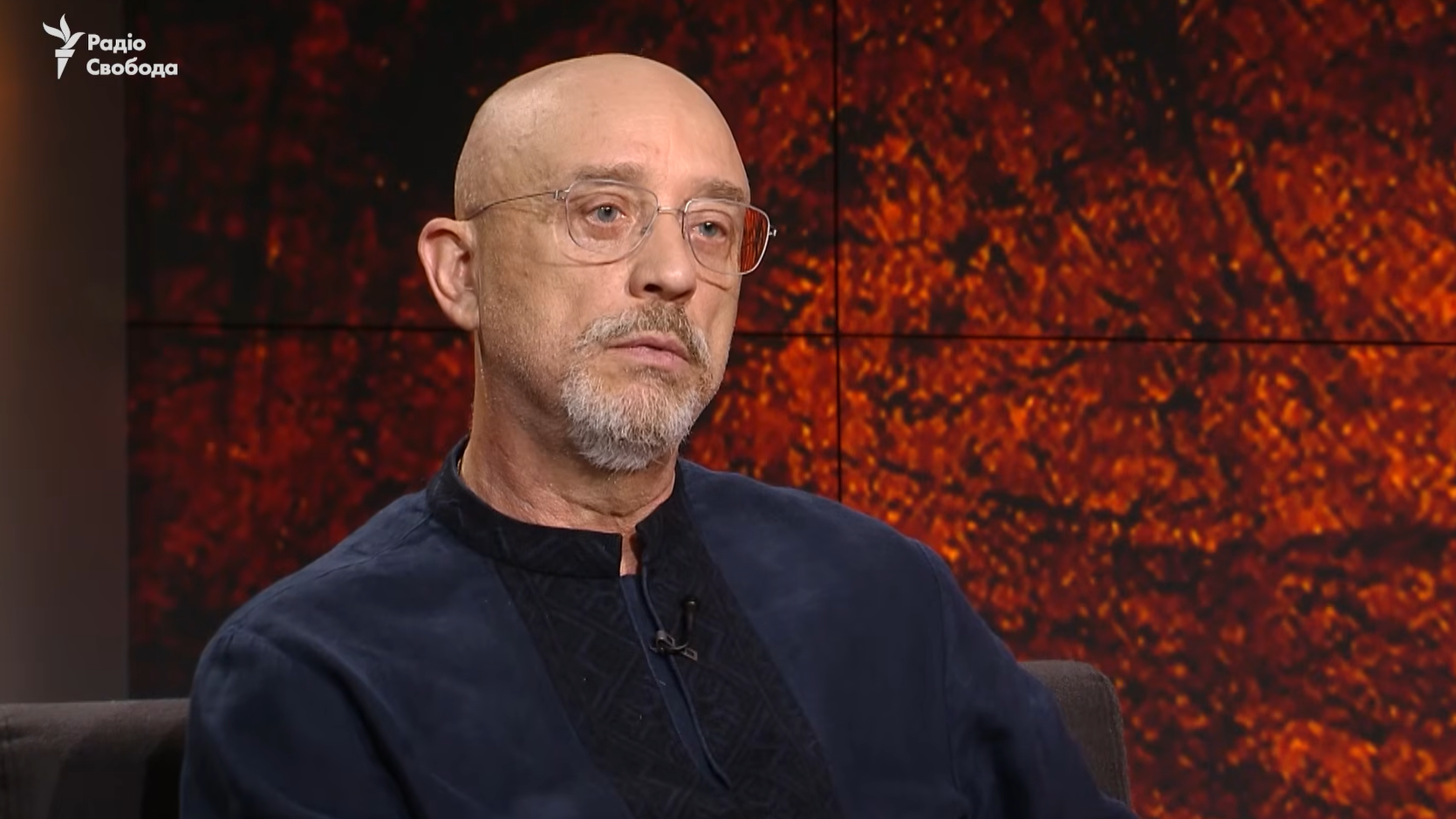
Former Ukrainian Defense Minister Oleksii Reznikov has revealed crucial details about Ukraine’s military intelligence assessments prior to the Russian invasion, stating that the General Staff of the Armed Forces of Ukraine had initially predicted a full-scale Russian offensive would begin in late March 2022. According to Reznikov, the Russians launched their attack earlier than anticipated, deviating from the traditional timelines typically followed by Russian academic military doctrine. This revelation sheds new light on the challenging intelligence environment Ukrainian officials navigated in the months leading up to the war.
The former minister explained that Russian military academic tradition and historical precedent suggested a late March timeframe would be optimal for launching large-scale ground operations. This assessment was based on weather conditions, ground firmness after winter thaw, and logistical considerations that Russian military planners typically factor into offensive operations. However, the actual invasion commenced on February 24, 2022, approximately one month earlier than Ukrainian military analysts had forecasted, catching many by surprise with the timing if not the intent.
Historical Context of Russian Military Planning
The timing of military operations has historically been a critical factor in Russian strategic planning. Throughout history, Russian military doctrine has emphasized the importance of weather and terrain conditions, particularly the phenomenon known as “rasputitsa” — the seasonal mud that makes roads impassable during spring thaw in Eastern Europe. Traditional Russian military thinking suggested that major ground offensives should either conclude before the spring thaw or wait until late spring when conditions improve. The February invasion date meant Russian forces had to contend with challenging conditions, which many military analysts believe contributed to the logistical failures observed in the early weeks of the offensive.
The decision to attack in late February may have been influenced by several factors, including the Winter Olympics in Beijing, political considerations within the Kremlin, and attempts to achieve strategic surprise. Western intelligence agencies, particularly those of the United States and United Kingdom, had been warning for weeks that an invasion was imminent, sharing intelligence that pointed to a late February timeframe. This created an unusual situation where Ukrainian military planners had different timeline assessments than their Western counterparts, highlighting the complexity of intelligence analysis during this period.
Impact on Ukrainian Defensive Preparations
Despite the earlier-than-expected timing, Ukraine’s Armed Forces managed to mount a formidable defense that ultimately prevented Russian forces from achieving their apparent objectives of rapidly capturing Kyiv and other major cities. The General Staff’s contingency planning, combined with years of military reforms and Western training programs initiated after Russia’s 2014 annexation of Crimea, provided Ukrainian forces with the capabilities needed to respond effectively. Since 2014, Ukraine had been quietly transforming its military with NATO assistance, developing more flexible command structures and improving combat readiness.
Reznikov’s tenure as Defense Minister, which lasted from November 2021 until September 2023, coincided with this critical period of preparation and subsequent wartime management. Under his leadership, Ukraine successfully coordinated massive Western military assistance programs and oversaw the expansion and modernization of Ukrainian armed forces during active combat operations. His revelations about pre-war intelligence assessments provide valuable insight into the decision-making processes that shaped Ukraine’s initial response to the invasion.
Lessons for Military Intelligence and Future Planning
The discrepancy between predicted and actual invasion timelines offers important lessons for military intelligence communities worldwide. It demonstrates how adversaries may deliberately deviate from established doctrinal patterns to achieve tactical or strategic surprise. Russian President Vladimir Putin’s decision to launch the offensive earlier than traditional military wisdom would suggest indicates that political imperatives can override conventional military planning considerations. This unpredictability remains a significant challenge for defense planners attempting to anticipate future Russian actions.
The early invasion also revealed significant intelligence gaps and the difficulty of predicting exact timing even when the general trajectory of events is understood. While Western intelligence accurately predicted the invasion would occur in February, the specific date remained uncertain until the final hours. Ukrainian military planners, working with their own assessments, had reached different conclusions about timing. This experience has since informed how Ukraine and its allies approach intelligence sharing and contingency planning for various scenarios in the ongoing conflict.
Expert Opinion: Reznikov’s disclosure underscores a critical lesson in modern warfare: adversaries may deliberately break from doctrinal norms to gain strategic surprise, making pattern-based predictions increasingly unreliable. This suggests that future defense planning must incorporate multiple timeline scenarios and maintain heightened readiness even when traditional indicators point to delayed action. The Ukrainian experience demonstrates that flexible defensive postures and robust Western intelligence sharing remain essential safeguards against such unpredictability.