
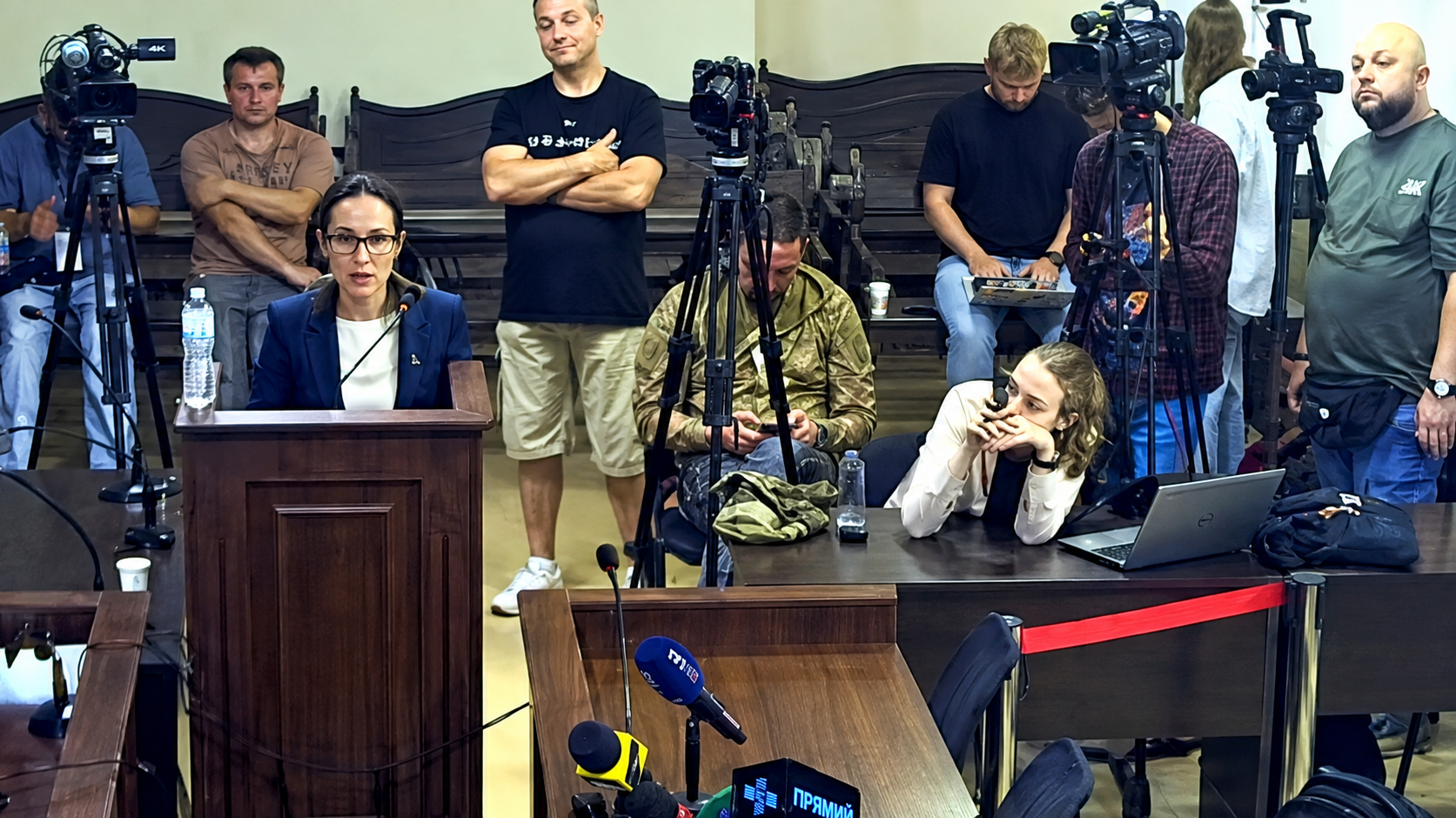
In a significant development within Ukrainian political circles, a court has ordered the detention of Olha Mudra, the former Deputy Head of the Office of the President of Ukraine. The ruling came with an unexpected twist that has drawn considerable attention from legal experts and political observers alike: the bail amount set by the court was approximately 7.5 times lower than what prosecutors had initially requested, raising questions about the nature of the charges and the judicial approach to high-profile political cases.
The detention of such a senior government official marks a notable moment in Ukraine’s ongoing efforts to address corruption and maintain accountability within its highest administrative structures. Mudra, who served in one of the most influential positions within the Ukrainian executive branch, now faces legal proceedings that could have far-reaching implications for the political landscape of the country currently engaged in an existential conflict.
Details of the Court Decision and Bail Discrepancy
The court’s decision to set bail at a fraction of what prosecutors demanded has become the focal point of public discussion surrounding this case. While the prosecution sought a substantial sum to ensure the defendant’s appearance at future hearings and to reflect the seriousness of the alleged offenses, the presiding judge opted for a significantly reduced figure. This disparity of 7.5 times between the requested and approved bail amounts suggests that the court may have viewed the flight risk or the gravity of charges differently than the prosecuting authorities.
Legal analysts note that such discrepancies between prosecution requests and court decisions are not uncommon in Ukrainian jurisprudence, but the magnitude of the difference in this case is particularly striking. The bail system in Ukraine, like in many European countries, is designed to balance the presumption of innocence with the need to ensure defendants remain available for trial. The court’s decision indicates a measured approach that considers the defendant’s ties to the community, previous record, and the specific circumstances of the allegations.
Background on the Office of the President and Its Significance
The Office of the President of Ukraine serves as the central administrative body supporting the head of state in executing constitutional powers and managing domestic and foreign policy initiatives. Deputy heads of this office wield considerable influence over government operations, personnel decisions, and policy implementation. The position requires navigating complex political relationships and often involves access to sensitive state information and decision-making processes at the highest levels.
During the ongoing conflict with Russia, the Office of the President has taken on even greater significance, coordinating wartime governance, international diplomatic efforts, and domestic crisis management. Officials within this structure have faced unprecedented scrutiny both domestically and internationally, as Ukraine’s Western partners maintain close attention to governance standards and anti-corruption measures as conditions for continued support. The arrest of a former deputy head sends a powerful signal about accountability, regardless of one’s previous position in the power hierarchy.
Broader Context of Anti-Corruption Efforts in Ukraine
Ukraine has been engaged in comprehensive anti-corruption reforms since the 2014 Revolution of Dignity, establishing specialized institutions including the National Anti-Corruption Bureau (NABU), the Specialized Anti-Corruption Prosecutor’s Office (SAPO), and the High Anti-Corruption Court. These bodies have pursued cases against numerous high-ranking officials, oligarchs, and business figures, with varying degrees of success and occasional controversy over selective justice concerns.
International partners, particularly the European Union and the United States, have consistently emphasized that continued financial and military support depends partly on Ukraine’s progress in combating endemic corruption. The country’s EU membership aspirations require demonstrable improvements in rule of law and transparent governance. Cases involving senior officials, regardless of their outcome, are closely watched as indicators of whether Ukraine’s anti-corruption infrastructure can effectively hold powerful individuals accountable without political interference or favoritism.
Expert Opinion: This case represents a critical test of Ukraine’s judicial independence during wartime conditions. The significant reduction in bail amount compared to prosecution requests may indicate either judicial restraint or potential institutional tensions between law enforcement and the courts. Moving forward, how this case progresses will likely influence international perceptions of Ukraine’s commitment to rule of law reforms, particularly as EU accession negotiations advance and Western allies evaluate governance standards in their ongoing support calculations.