
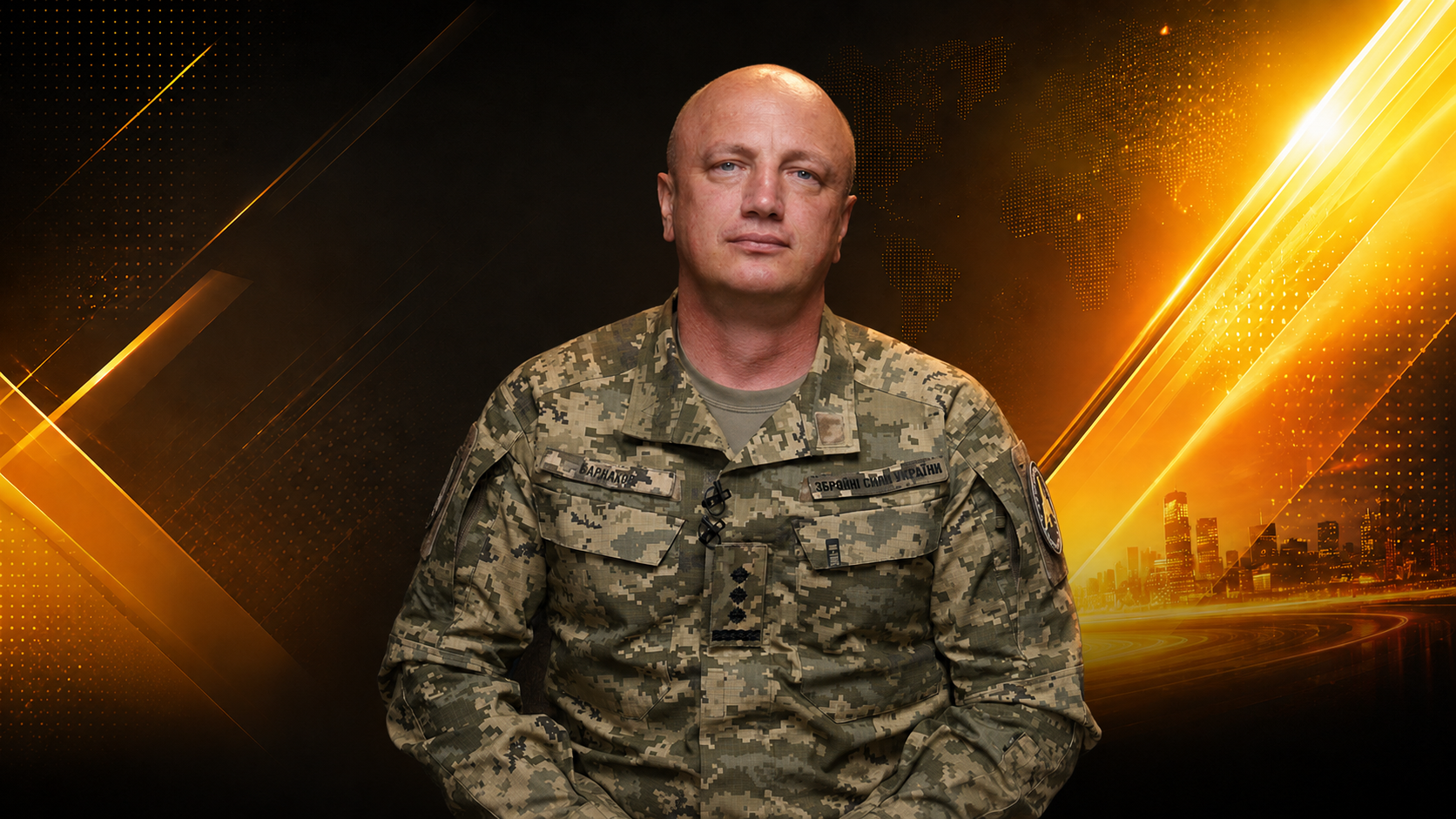
In a rare and candid interview, the commander of the Ukrainian Ground Forces’ Army Aviation has opened up about the evolving nature of aerial warfare, the psychological and tactical challenges facing helicopter crews, and the future of military aviation in modern conflict. General Bardakov, whose career spans combat operations across multiple continents, provided unprecedented insight into how Ukrainian helicopter pilots have adapted to one of the most dangerous air defense environments in military history. His revelations shed light on the critical role army aviation plays in supporting ground troops while navigating an ever-present threat from enemy missiles and drones.
African Combat Experience and the Foundation of Modern Tactics
General Bardakov’s military career began long before Russia’s full-scale invasion of Ukraine in February 2022. His formative combat experience came during deployments to African conflict zones, where Ukrainian military advisors and pilots gained invaluable real-world experience. These operations, conducted in harsh desert and savanna environments, taught crucial lessons about operating in austere conditions with limited support infrastructure. The general credits this “African tempering” with preparing him and his fellow aviators for the intense demands of the current conflict. Flying in extreme heat, navigating unfamiliar terrain, and operating far from established bases instilled a flexibility and resourcefulness that has proven essential in Ukraine’s defense.
The transition from African operations to defending Ukrainian soil required significant tactical adaptation. While the basic principles of helicopter warfare remained constant, the threat environment in Ukraine proved exponentially more dangerous. Russia’s layered air defense systems, including S-300 and S-400 batteries, short-range systems like Pantsir and Tor, and countless man-portable air defense systems (MANPADS), created what military analysts describe as the most contested airspace since World War II. Ukrainian helicopter crews had to completely reimagine their approach to survive and remain effective.
Behind Enemy Lines: The Art of Deep Raids
Among the most sensitive topics General Bardakov addressed were the covert operations conducted deep behind Russian lines. These missions, rarely discussed publicly, involve helicopter crews inserting special operations forces, conducting reconnaissance, and executing precision strikes against high-value targets. The city of Belgorod, a major Russian logistics hub located just kilometers from the Ukrainian border, has reportedly been a focal point of some of these operations. While specifics remain classified for operational security reasons, Bardakov confirmed that Ukrainian army aviation has conducted missions that have significantly disrupted Russian supply lines and command structures.
These deep penetration missions require extraordinary coordination between aviation crews, intelligence services, and ground forces. Pilots must navigate through dense air defense networks, often flying at extremely low altitudes using terrain masking techniques to avoid radar detection. The psychological pressure on crews is immense, knowing that a single mistake or moment of bad luck could result in being shot down deep in enemy territory with little chance of rescue. Despite these risks, Bardakov reports that volunteer rates for such missions remain high, reflecting the dedication of Ukrainian aviators.
Dueling with Shahed Drones: A New Chapter in Aerial Combat
Perhaps the most technically fascinating aspect of General Bardakov’s interview concerned the emerging practice of helicopter crews engaging Iranian-made Shahed-136 kamikaze drones. These relatively inexpensive but deadly unmanned aerial vehicles have been used by Russia in massive waves against Ukrainian infrastructure and civilian targets. Traditional air defense systems, while effective, can be overwhelmed by the sheer numbers of incoming drones. Ukrainian helicopter pilots have stepped into this gap, using their aircraft’s door gunners and even their own skill at maneuvering to intercept these threats.
The “duels” between helicopters and Shaheds present unique challenges. The drones fly relatively slowly but are small and difficult to detect visually, especially at night. Helicopter crews have developed specific tactics for these engagements, often working in coordination with ground-based spotters and electronic warfare units. The psychological satisfaction of destroying these weapons before they can reach their targets—frequently civilian power stations and residential areas—provides powerful motivation for the crews. Bardakov noted that his pilots view this defensive role as equally important as their offensive operations.
The Future of Army Aviation and Lessons for Global Military Doctrine
Looking ahead, General Bardakov shared his vision for the future of army aviation, both in Ukraine and globally. The conflict has demonstrated that helicopters remain essential battlefield assets, but only when employed with sophisticated tactics and supported by robust electronic warfare capabilities. The integration of unmanned systems with crewed helicopters is already underway, with drones conducting reconnaissance ahead of manned aircraft and even serving as decoys to draw out enemy air defenses. This hybrid approach represents the next evolution in rotary-wing warfare.
For infantry soldiers fighting on the ground, army aviation represents a lifeline. Medical evacuation flights have saved countless lives, while fire support missions have broken enemy attacks at critical moments. “For the infantry, we are angels,” Bardakov explained, describing the emotional bond between ground troops and the aviators who support them. This relationship, forged in the crucible of combat, reflects the irreplaceable human element that persists even as warfare becomes increasingly technological. As Ukraine continues its defense against Russian aggression, army aviation will undoubtedly remain central to military operations.
Expert Opinion: The insights shared by General Bardakov reveal a military aviation force that has achieved remarkable tactical innovation under extreme pressure. Ukraine’s helicopter crews have effectively rewritten the playbook for operating in heavily contested airspace, lessons that NATO and other military organizations are already studying closely. As drone warfare continues to proliferate globally, the Ukrainian experience of integrating rotary-wing aircraft into anti-drone operations may prove to be one of the most consequential military developments of this decade.