
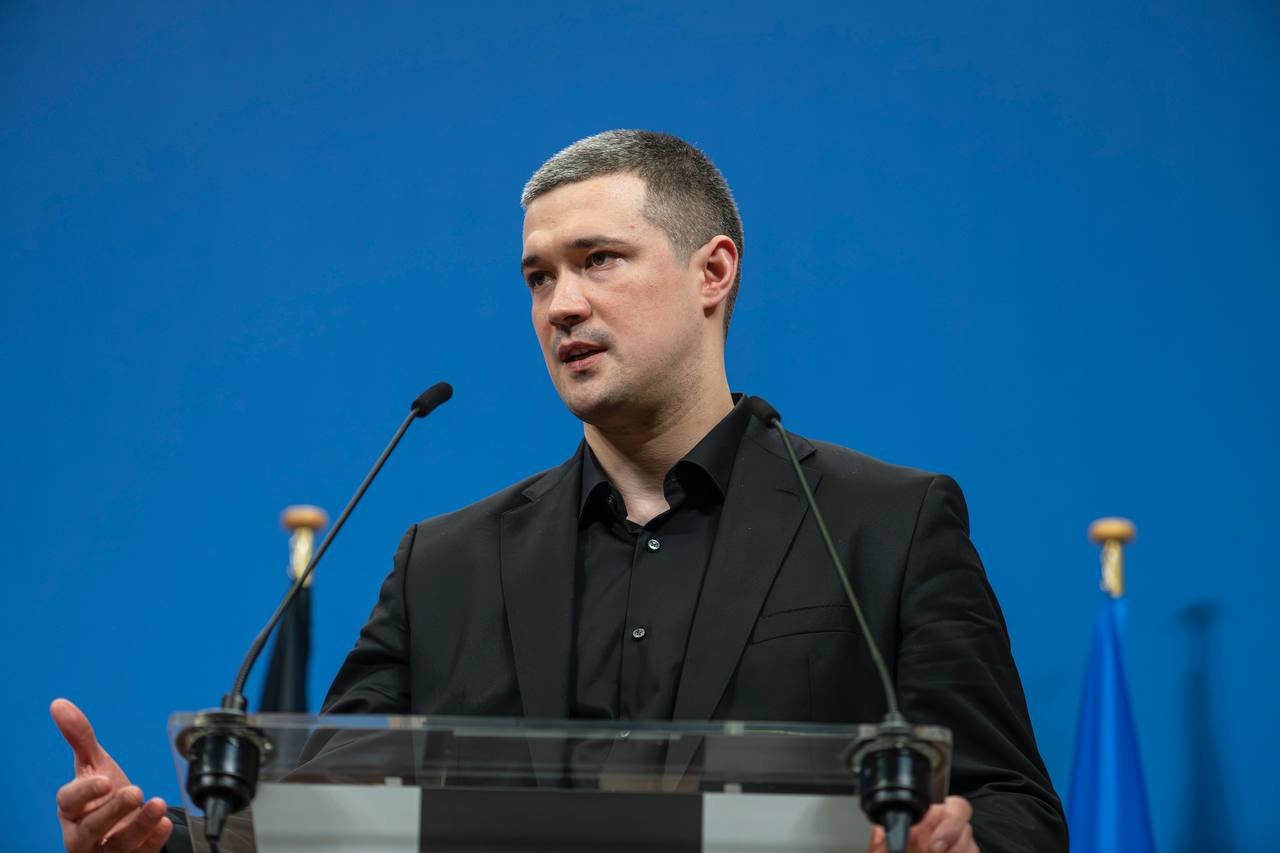
Former Ukrainian Minister of Digital Transformation Mykhailo Fedorov has responded to questions about whether he positions himself in opposition to President Volodymyr Zelensky, while also revealing that he has not yet decided whether to run in future elections himself. The tech-savvy former official, who gained international recognition for his innovative approaches during the ongoing conflict, outlined three possible scenarios for his political future when elections eventually take place in Ukraine.
Fedorov’s Political Positioning and Response to Opposition Questions
When directly asked about his stance regarding President Zelensky and whether he considers himself part of the opposition, Fedorov provided a nuanced response that avoided direct confrontation while maintaining his independence. The former minister, who served in the Ukrainian government from 2019 until recently, has been careful to distinguish between constructive criticism and outright opposition politics. His measured approach reflects the complex political landscape in Ukraine, where wartime unity has been emphasized but underlying political tensions continue to simmer beneath the surface.
Fedorov outlined three potential paths for his future political involvement when the time comes for Ukrainians to head to the polls. While he did not elaborate extensively on each option, the fact that running for office remains on the table suggests that the 34-year-old politician sees himself as having more to contribute to Ukrainian governance. His technological expertise and relatively young age make him an attractive figure for voters seeking fresh faces in Ukrainian politics, particularly those who appreciated his digital transformation initiatives.
Background: Fedorov’s Rise and Legacy in Ukrainian Politics
Mykhailo Fedorov made history as the youngest minister in Ukrainian history when he was appointed to lead the Ministry of Digital Transformation at just 28 years old in 2019. Under his leadership, Ukraine made remarkable strides in digitizing government services, launching the Diia application that became a model for e-governance worldwide. The app allowed citizens to access digital versions of official documents, apply for government services, and during the war, even report Russian military positions to Ukrainian forces.
During the full-scale Russian invasion that began in February 2022, Fedorov gained international attention for his unconventional approach to warfare, leveraging social media to appeal directly to tech companies and their executives. He successfully lobbied Elon Musk to provide Starlink satellite internet terminals to Ukraine and convinced numerous technology companies to withdraw from the Russian market. His “digital diplomacy” became a hallmark of Ukraine’s broader strategy to maintain international support and technological advantages during the conflict.
The Question of Elections in Wartime Ukraine
The discussion of future elections in Ukraine remains a sensitive and complex topic. Under martial law, which has been in effect since the Russian invasion began, elections are constitutionally suspended. President Zelensky’s original term would have ended in May 2024, but the legal framework prevents holding elections during active hostilities. This situation has created ongoing debate both domestically and internationally about democratic legitimacy and the appropriate timing for resuming normal political processes.
Various Ukrainian politicians and international observers have expressed differing views on when elections should resume. Some argue that holding elections during wartime would be logistically impossible and potentially dangerous, while others contend that democratic processes should continue regardless of circumstances. Fedorov’s comments about considering his options for when elections occur suggest he anticipates a eventual return to normal political competition, though the timeline remains entirely uncertain given the ongoing military situation.
Expert Opinion: Fedorov’s careful positioning indicates a strategic calculation typical of ambitious politicians preparing for a post-war political landscape. His technological credentials and wartime service provide a strong foundation for any future campaign, but his success will largely depend on how the conflict concludes and whether Ukrainian voters prioritize continuity or change in their leadership. The younger generation of Ukrainian politicians like Fedorov may increasingly challenge established figures as the country eventually transitions from wartime to reconstruction governance.