
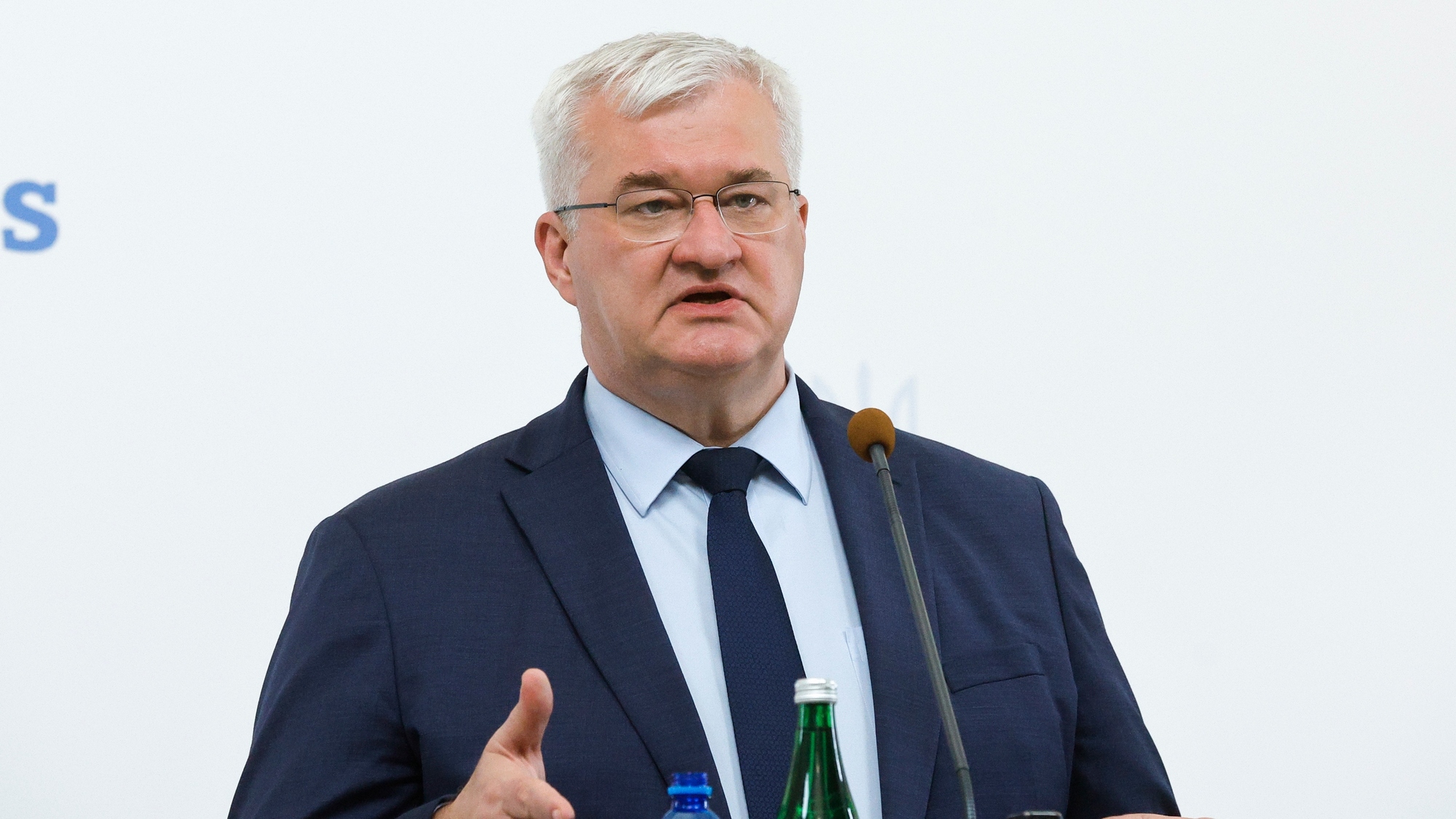
Ukrainian Foreign Minister Andrii Sybiha has delivered an emphatic update on the country’s ongoing diplomatic efforts to secure additional air defense systems from Western allies. In a recent statement, the top diplomat emphasized that Ukraine is “literally clawing and fighting for every single missile” as the nation continues to defend itself against relentless Russian aerial attacks. The Foreign Minister’s candid remarks highlight both the urgency of Ukraine’s air defense needs and the complex negotiations required to meet them.
Sybiha expressed cautious optimism about the progress being made in discussions with international partners, noting that “we are advancing, and our partners are hearing us.” This statement comes amid intensified Russian missile and drone campaigns targeting Ukrainian infrastructure, energy facilities, and civilian areas. The Patriot missile defense system, developed by the United States, has become one of the most sought-after defensive weapons in Ukraine’s arsenal due to its proven effectiveness against ballistic missiles, cruise missiles, and aircraft.
The Critical Importance of Patriot Systems for Ukraine
The Patriot air defense system represents the gold standard in modern missile defense technology. Developed by Raytheon and first deployed by the United States in the 1980s, the system has undergone numerous upgrades and has proven its effectiveness in multiple conflicts, including the Gulf War and more recently in Ukraine. Each Patriot battery consists of multiple components including radar systems, control stations, and launchers capable of firing PAC-2 or the more advanced PAC-3 interceptor missiles. The system can track and engage multiple aerial threats simultaneously, making it invaluable for protecting critical infrastructure and population centers.
Ukraine currently operates a limited number of Patriot batteries, with systems provided by the United States, Germany, and other NATO allies. However, the country’s vast territory and the constant barrage of Russian missiles mean that existing air defenses are stretched dangerously thin. Military analysts estimate that Ukraine would need significantly more Patriot batteries to adequately protect its major cities, power plants, and military installations. The challenge lies not only in securing the launch systems themselves but also in maintaining a steady supply of interceptor missiles, which cost several million dollars each and are in limited global supply.
Diplomatic Challenges and International Response
Foreign Minister Sybiha’s description of Ukraine “fighting for every missile” underscores the diplomatic challenges Kyiv faces in securing adequate military support. While Western nations have provided unprecedented levels of military assistance to Ukraine since Russia’s full-scale invasion in February 2022, decisions about transferring sophisticated air defense systems involve complex considerations. Donor countries must balance their own defense needs, production capacity limitations, and political factors when deciding how many systems and interceptors they can provide.
The United States, as the primary manufacturer of Patriot systems, has been central to these negotiations. Washington has already provided multiple Patriot batteries to Ukraine and has worked to facilitate transfers from other countries that operate the system. Germany, the Netherlands, and other European nations have also contributed to Ukraine’s air defense capabilities. However, global demand for these systems has surged, with countries across Europe and Asia seeking to bolster their own defenses in response to an increasingly uncertain security environment. This competition for limited resources makes Ukraine’s diplomatic efforts all the more challenging and explains Sybiha’s language about having to fight for each component.
Looking Ahead: Winter Approaches and Energy Infrastructure at Risk
The urgency of Ukraine’s air defense needs becomes particularly acute as winter approaches. Russia has repeatedly targeted Ukraine’s energy infrastructure in what military analysts describe as a deliberate strategy to undermine civilian morale and strain the country’s resources. During the previous winter, Russian strikes knocked out significant portions of Ukraine’s power generation capacity, leaving millions of citizens facing rolling blackouts in freezing temperatures. Ukrainian officials are working desperately to repair damaged facilities and strengthen defenses before cold weather returns.
Despite the challenges, Sybiha’s message suggests that diplomatic efforts are yielding results. The phrase “partners are listening” indicates that Ukraine’s allies understand the critical nature of these requests and are working to respond. As negotiations continue, the outcome will have profound implications not only for Ukraine’s ability to defend its population but also for the broader trajectory of the conflict. Each additional Patriot battery and interceptor missile represents lives saved and infrastructure protected, making these diplomatic battles among the most consequential of the entire war.
Expert Opinion: The intensive negotiations for Patriot systems reflect a broader shift in modern warfare where air defense capabilities have become decisive factors in conflict outcomes. As Russia continues its strategy of infrastructure attrition through long-range strikes, Ukraine’s ability to secure additional interceptors will likely determine whether it can maintain economic functionality and civilian resilience through another winter of war. Western allies face a strategic imperative to accelerate both production and delivery of these systems, as the consequences of inadequate air defense extend far beyond the battlefield to humanitarian and geopolitical dimensions.