
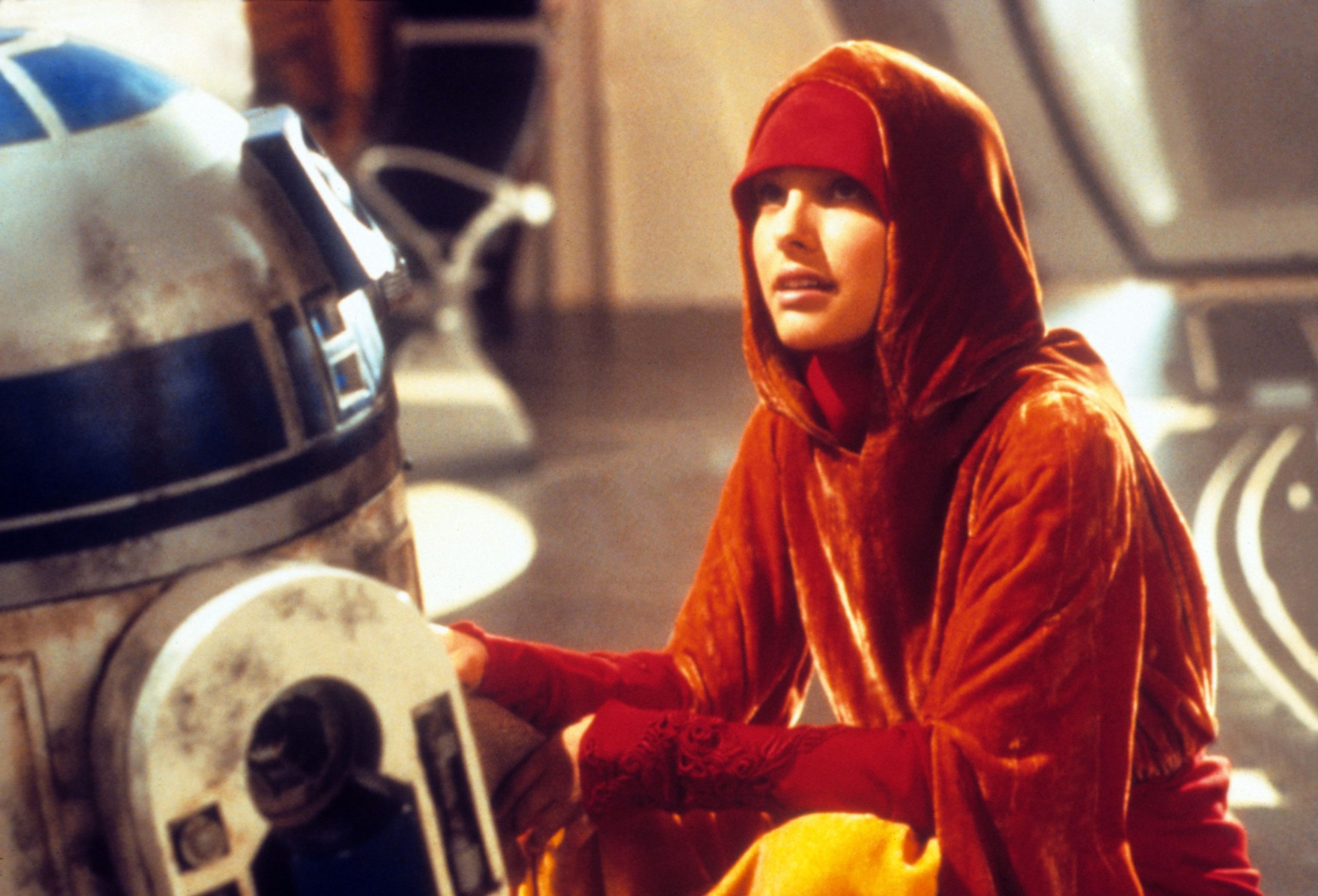
Ever since Return of the Jedi concluded the original trilogy in 1983, the Star Wars franchise has struggled to recapture the magic that made it a cultural phenomenon. The prequel trilogy, which began with The Phantom Menace in 1999, seemed deliberately aimed at a younger demographic than the films that came before. Disney’s sequel trilogy started with genuine promise in 2015 but ultimately collapsed under the weight of corporate interference and intense fan pressure. Even the acclaimed television series have been inconsistent—The Mandalorian delivered quality entertainment for only part of its run, and The Clone Wars similarly fluctuated between brilliance and mediocrity throughout its lengthy broadcast history.
Yet hidden in the shadow of The Phantom Menace’s massive theatrical release in May 1999, another Star Wars project quietly emerged just one month later that many fans consider the franchise’s last true masterpiece. While George Lucas’s return to the director’s chair generated unprecedented hype and record-breaking box office numbers, this companion piece demonstrated that the Star Wars universe still had untapped potential for storytelling excellence that honored the spirit of the original trilogy while pushing creative boundaries in unexpected directions.
The State of Star Wars in 1999
The late 1990s represented a pivotal moment for the Star Wars franchise. After more than fifteen years without a new theatrical release, anticipation for Episode I had reached fever pitch. Fans who had grown up with Luke Skywalker, Han Solo, and Princess Leia were now adults, many with children of their own eager to experience the galaxy far, far away. The Special Edition re-releases in 1997 had already sparked controversy among purists who objected to Lucas’s digital alterations, foreshadowing debates that would intensify with each subsequent Star Wars project. The franchise had become more than entertainment—it was a generational touchstone that carried enormous emotional weight for millions of viewers worldwide.
When The Phantom Menace finally arrived on May 19, 1999, reactions were decidedly mixed. Critics and longtime fans expressed disappointment with elements like Jar Jar Binks, the heavy reliance on CGI, and a plot centered on trade disputes and political machinations. While the film broke box office records and introduced memorable elements like Darth Maul and the iconic “Duel of the Fates” musical theme, it also revealed a fundamental tension between Lucas’s creative vision and fan expectations that would define Star Wars discourse for decades to come.
A Different Approach to the Galaxy
What made the companion project released in June 1999 so remarkable was its willingness to explore mature themes and morally complex narratives that the theatrical films had largely abandoned. Rather than focusing on clear-cut heroes and villains, this work delved into the gray areas of the Star Wars universe, examining characters whose motivations defied simple categorization. The storytelling demonstrated that the franchise could evolve beyond its fairy tale origins without losing the essential qualities that made it beloved—adventure, wonder, and emotional resonance.
The creative team behind this project understood something crucial that subsequent Star Wars productions often forgot: the original trilogy succeeded not because of spectacle alone, but because audiences genuinely cared about the characters and their journeys. By prioritizing character development and narrative coherence over visual effects and fan service, they crafted an experience that felt authentically Star Wars while standing as a creative achievement in its own right. This approach influenced countless later projects across various media, establishing a template for how expanded universe content could enhance rather than diminish the franchise’s legacy.
Legacy and Lasting Impact
Twenty-seven years later, this 1999 release continues to be cited by fans and critics alike as evidence of what Star Wars can achieve when creative vision takes precedence over commercial calculation. Its influence can be detected in later acclaimed projects like Knights of the Old Republic and, reportedly, the television series Andor—works that prioritize sophisticated storytelling over nostalgia-driven spectacle. As the franchise continues to expand under Disney’s stewardship, with new films and series constantly in development, the lessons of this overlooked masterpiece remain relevant: Star Wars works best when it respects both its audience’s intelligence and the timeless mythological framework that George Lucas originally established.
Expert Opinion: The cyclical nature of Star Wars quality suggests the franchise thrives when individual creative voices are empowered rather than constrained by committee decisions and fan expectations. As Disney evaluates its future Star Wars strategy, returning to the character-driven storytelling principles demonstrated in 1999 may prove more commercially and artistically viable than continued reliance on legacy characters and nostalgic callbacks.