
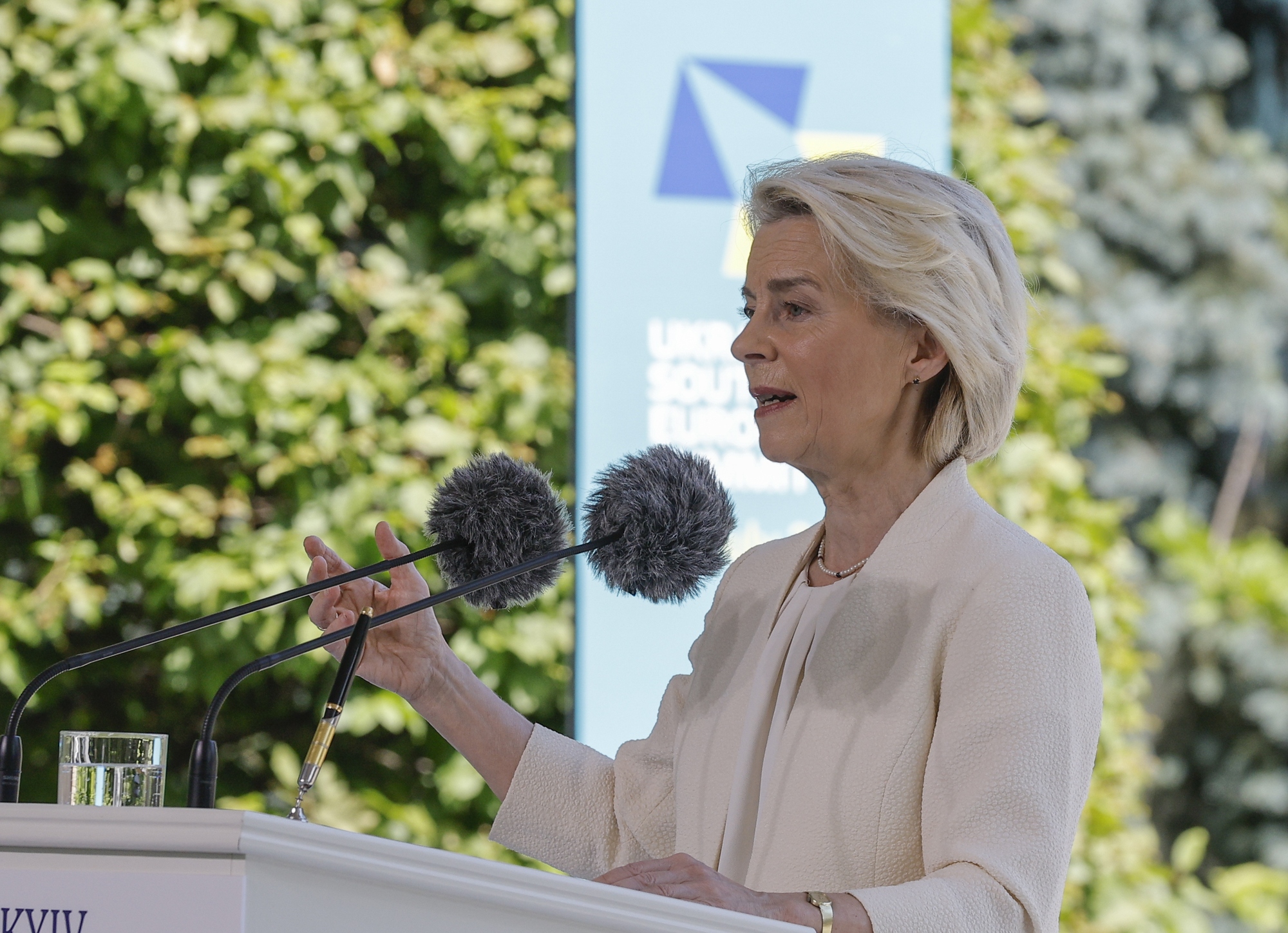
The European Union is demonstrating its commitment to Ukraine’s membership aspirations by preparing to open all negotiation clusters with the country, according to statements from the European Commission. Officials in Brussels have emphasized that even before formal accession, the EU is actively building strong institutional and economic ties with Ukraine, signaling an accelerated path toward full membership in the bloc.
The announcement comes at a crucial time for both Ukraine and the European Union, as the ongoing conflict with Russia continues to reshape the geopolitical landscape of the continent. European Commission officials have called upon member states to embrace a forward-looking approach, urging them to overcome hesitation and move decisively toward deeper integration with Kyiv.
Understanding the Negotiation Cluster Framework
The EU accession process is structured around what are known as negotiation clusters – thematic groupings of policy areas that candidate countries must align with European standards. These clusters cover everything from fundamental rights and the rule of law to economic and monetary policy, agriculture, and foreign affairs. Traditionally, the process of opening and closing these clusters can take many years, even decades, as candidates must demonstrate full compliance with the extensive body of EU law known as the acquis communautaire.
For Ukraine, the willingness to open all clusters simultaneously represents a significant departure from the usual cautious, step-by-step approach. This accelerated timeline reflects both the urgency created by the security situation in Eastern Europe and the political will within EU institutions to reward Ukraine’s reform efforts and sacrifices. The European Commission has noted that Ukraine has made substantial progress in implementing judicial reforms, anti-corruption measures, and alignment with EU regulations despite the extraordinary challenges posed by the ongoing military conflict.
Historical Context of Ukraine’s European Journey
Ukraine’s path toward European integration has been long and tumultuous. The country signed an Association Agreement with the EU in 2014, following the Euromaidan protests that saw Ukrainians take to the streets demanding closer ties with Europe. That agreement, which included a Deep and Comprehensive Free Trade Area, was a significant step but stopped short of offering a membership perspective.
The full-scale Russian invasion that began in February 2022 fundamentally changed the calculus in Brussels. Just four months later, in June 2022, the European Council granted Ukraine official candidate status – a decision that would have seemed impossible just years earlier. This rapid shift demonstrated how security concerns and solidarity had become powerful drivers of EU enlargement policy. Since then, Ukraine has worked intensively to meet the benchmarks set by the Commission, even as its cities faced bombardment and its economy struggled under wartime conditions.
Member State Dynamics and Challenges Ahead
While the European Commission has expressed enthusiasm for advancing Ukraine’s candidacy, the ultimate decisions rest with the 27 member states, each holding veto power over enlargement. Some countries, particularly those in Central and Eastern Europe like Poland and the Baltic states, have been strong advocates for rapid Ukrainian accession, viewing it as essential for continental security. Others have expressed concerns about the financial implications of admitting a large agricultural nation and the institutional reforms needed to accommodate new members.
The Commission’s call for members to “move forward” suggests an awareness of these internal divisions and an attempt to build momentum for the pro-enlargement camp. Economic analysts estimate that integrating Ukraine fully could cost tens of billions of euros in structural funds and agricultural subsidies, requiring significant reforms to the EU budget. However, proponents argue that the cost of not integrating Ukraine – leaving it vulnerable and outside the European security architecture – would ultimately be far higher.
Building Bridges Before Full Membership
The Commission’s emphasis on building “close ties” even before accession reflects a pragmatic approach to integration. This includes initiatives to connect Ukraine’s energy grid to the European network, facilitate trade, and support reconstruction efforts. The EU has already provided unprecedented financial and military assistance to Ukraine, and these connections are creating facts on the ground that will make eventual membership more seamless.
As negotiations progress, both sides will need to navigate complex issues including agricultural policy reform, anti-corruption enforcement, and the eventual resolution of the territorial conflict. The road ahead remains challenging, but the EU’s stated readiness to open all negotiation clusters marks a historic milestone in Ukraine’s European journey.
Expert Opinion: The EU’s decision to accelerate Ukraine’s accession process represents a fundamental shift in enlargement philosophy, prioritizing geopolitical necessity over bureaucratic perfectionism. This approach, while carrying risks of institutional strain, could establish a new template for rapid integration of strategically vital partners. The coming months will reveal whether member states can maintain unity on this accelerated timeline as the financial and political costs become more concrete.