
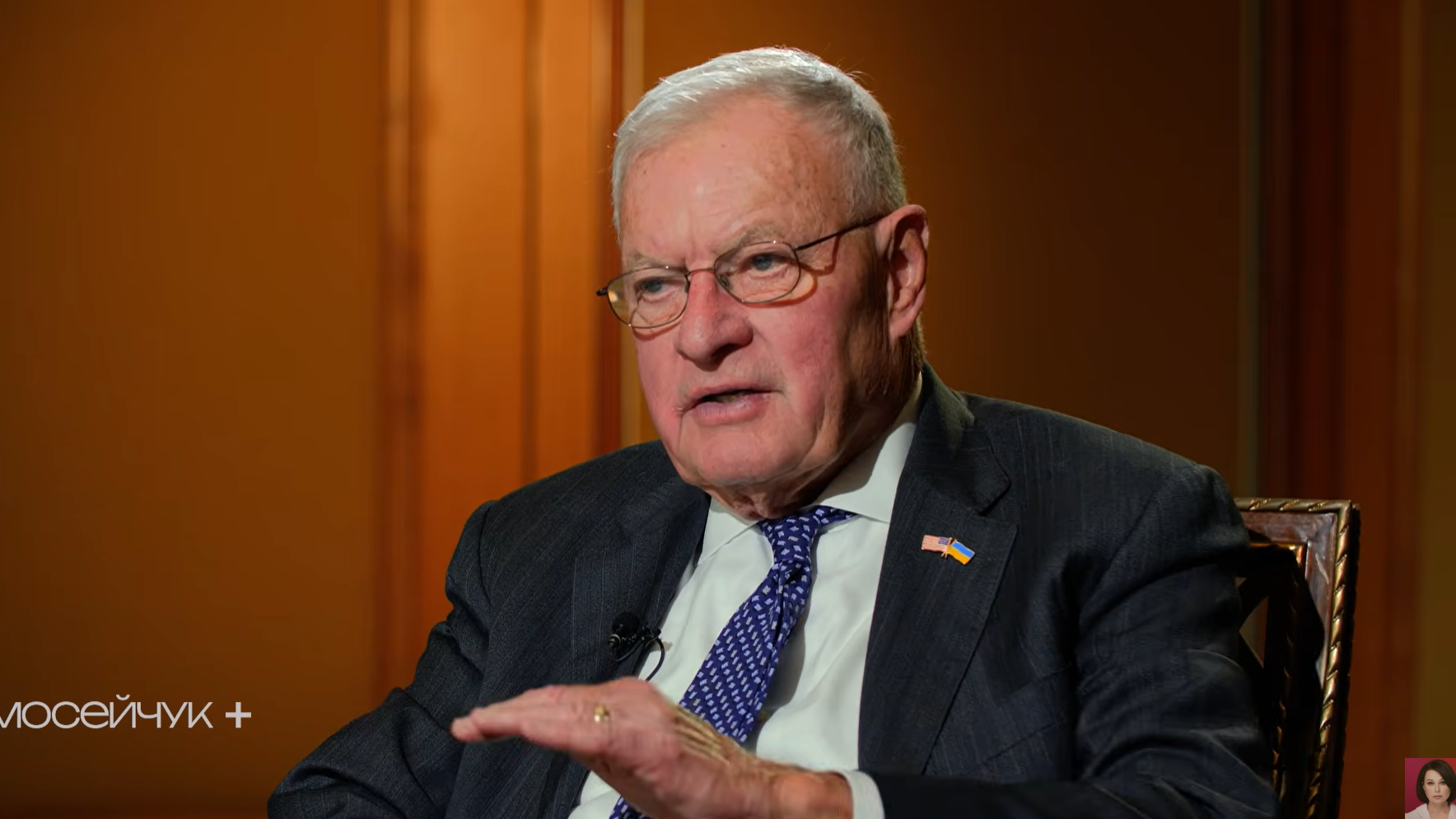
In a revealing statement that sheds light on the complex diplomatic dynamics surrounding the Ukraine conflict, Keith Kellogg, former U.S. Special Envoy for Ukraine, has disclosed that Russian President Vladimir Putin harbored significant expectations about how former President Donald Trump would handle negotiations with Ukraine. According to Kellogg, Putin anticipated that Trump would pressure Ukrainian President Volodymyr Zelensky into surrendering the remaining portions of the Donetsk region to Russia – expectations that ultimately went unfulfilled.
The revelation provides crucial insight into the Kremlin’s strategic calculations and its apparent miscalculation regarding American foreign policy under the Trump administration. Kellogg’s account suggests that Putin believed Trump’s well-documented transactional approach to diplomacy and his previous statements questioning U.S. support for Ukraine would translate into pressure on Kyiv to make territorial concessions. This assumption proved to be a fundamental misreading of the situation.
Putin’s Miscalculation and the Donetsk Question
The Donetsk region has been at the center of the Russia-Ukraine conflict since 2014, when Russian-backed separatists seized control of portions of the oblast. The region, rich in industrial infrastructure and coal reserves, holds both strategic and symbolic importance for Moscow. Putin’s annexation claims over Donetsk, along with Luhansk, Zaporizhzhia, and Kherson oblasts in September 2022, were widely rejected by the international community and declared illegal under international law.
According to Kellogg’s account, the Russian dictator expected American diplomatic intervention that would essentially validate these territorial claims. The phrase “you want land – fight for it” reportedly encapsulates the Trump administration’s actual response, which stood in stark contrast to what Putin had anticipated. This unexpected stance from Washington may have contributed to prolonging the conflict, as Russia’s hopes for a quick diplomatic victory through American pressure on Ukraine failed to materialize.
The Broader Implications for International Diplomacy
This revelation raises important questions about how authoritarian leaders perceive and attempt to manipulate democratic political transitions. Putin’s apparent belief that he could predict and exploit Trump’s foreign policy decisions reflects a broader pattern in Russian diplomatic strategy – one that seeks to capitalize on perceived divisions within Western alliances. The miscalculation also demonstrates the limitations of such strategies when dealing with the unpredictable nature of American politics.
Historical context is essential for understanding these dynamics. Since the full-scale invasion began in February 2022, various peace proposals have been floated, including territorial compromises that would see Ukraine cede occupied lands. Ukrainian leadership has consistently rejected any proposal that would reward Russian aggression with territorial gains, viewing such concessions as both a violation of international law and an invitation for future aggression. The Biden administration maintained strong support for Ukrainian sovereignty, and according to Kellogg’s statements, the Trump administration’s approach, while different in style, did not align with Putin’s expectations either.
Military analysts and diplomatic experts have long debated the effectiveness of various approaches to ending the conflict. Some argue that territorial concessions could bring temporary peace but would ultimately encourage further Russian expansionism. Others suggest that a negotiated settlement, even one involving difficult compromises, might be necessary to end the bloodshed. Kellogg’s revelations add a new dimension to this debate by showing that even leaders perceived as potentially sympathetic to Russian interests may not deliver the outcomes Moscow expects.
Looking Forward: Uncertain Path to Resolution
As the conflict continues with no clear end in sight, understanding the expectations and miscalculations of all parties becomes increasingly important. The Kellogg revelations suggest that Putin’s diplomatic strategy may be built on flawed assumptions about Western political dynamics. This could have significant implications for future peace negotiations, as Russia may need to recalibrate its expectations about what any American administration – regardless of political affiliation – might be willing to pressure Ukraine to accept.
The situation in eastern Ukraine remains dire, with ongoing fighting causing civilian casualties and infrastructure destruction. The international community continues to grapple with how to support Ukraine while seeking paths toward a sustainable peace. Kellogg’s account serves as a reminder that diplomatic calculations often prove more complex than they initially appear, and that assumptions about political leaders’ behavior can lead to costly strategic errors.
Expert Opinion: Kellogg’s revelations underscore a critical lesson in international relations: authoritarian leaders frequently misinterpret democratic systems, assuming they can predict or manipulate outcomes based on surface-level political rhetoric. Putin’s miscalculation regarding Trump demonstrates that American foreign policy, while influenced by presidential preferences, operates within institutional constraints and strategic considerations that transcend individual leadership styles. This pattern suggests Russia may continue to make similar errors in future diplomatic calculations, potentially prolonging conflicts that might otherwise find resolution.