
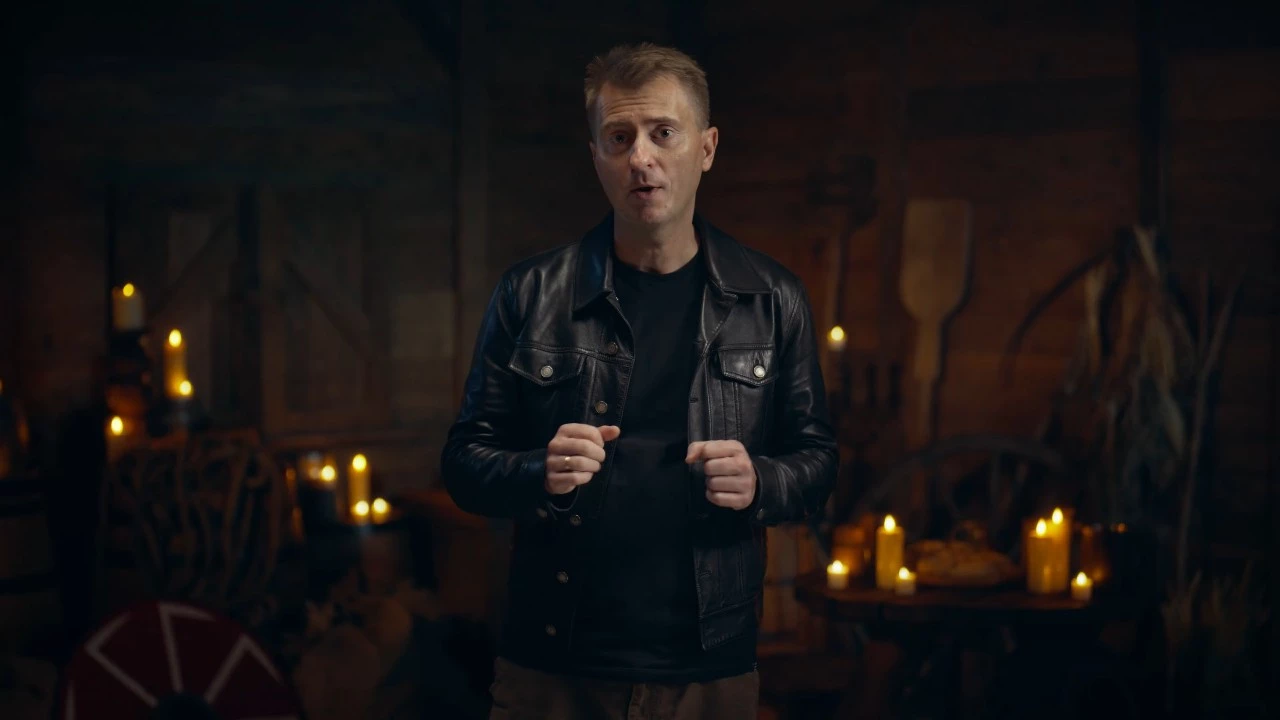
As gaming enthusiasts around the world prepare for the highly anticipated opening night of gamescom 2026, scheduled for August 25th, CD Projekt RED has moved quickly to manage fan expectations. Michał Nowakowski, one of the studio’s top executives, has issued a clear warning to devoted followers of the franchise: The Witcher 4 will not be making an appearance at this year’s exhibition. Instead, the Polish developer will focus its presentation on the recently announced expansion for The Witcher 3: Wild Hunt, titled ‘Ballads of the Past.’
CD Projekt RED’s Strategic Communication with Fans
The decision to preemptively address fan expectations reflects CD Projekt RED’s evolved approach to community management following the turbulent launch of Cyberpunk 2077 in 2020. That release, marred by technical issues and accusations of misleading marketing, taught the studio valuable lessons about the dangers of overpromising and underdelivering. By clearly stating what will and won’t be shown at gamescom 2026, the company demonstrates a more measured and transparent communication strategy that has gradually rebuilt trust with its fanbase over the past several years.
Nowakowski’s statement serves a dual purpose: while tempering expectations about The Witcher 4, it simultaneously generates excitement for the ‘Ballads of the Past’ expansion. This add-on represents a significant return to The Witcher 3: Wild Hunt, a game that originally launched in 2015 and has since sold over 50 million copies worldwide. The decision to release new content for a decade-old title speaks to both the enduring popularity of Geralt’s final adventure and CD Projekt RED’s commitment to supporting their beloved franchise while the next mainline installment remains in development.
The Witcher 4: What We Know About the 2028 Release
The confirmation of a 2028 release window for The Witcher 4 provides fans with their most concrete timeline yet for the next chapter in the beloved RPG series. Development on the new title, codenamed ‘Polaris,’ officially began in 2022, marking the start of what CD Projekt RED has described as their most ambitious project to date. Unlike previous entries in the franchise, The Witcher 4 will be built using Unreal Engine 5, representing a significant departure from the proprietary REDengine that powered both The Witcher 3 and Cyberpunk 2077.
Industry analysts have noted that the extended development timeline reflects both the scope of the project and the studio’s determination to avoid the mistakes of Cyberpunk 2077’s rushed release. The game is expected to begin a new saga within The Witcher universe, potentially focusing on a new protagonist while maintaining the dark fantasy atmosphere and morally complex storytelling that defined the original trilogy. CD Projekt RED has confirmed that the game will feature a new cast of characters, though connections to Geralt’s story remain a closely guarded secret.
Gamescom 2026: A Major Stage for Gaming Announcements
Gamescom has established itself as one of the premier events in the gaming calendar, regularly attracting hundreds of thousands of attendees to Cologne, Germany. The opening night ceremony has become a crucial platform for major announcements and world premieres, making CD Projekt RED’s appearance a significant draw for viewers worldwide. While The Witcher 4 won’t be featured, the showcase of ‘Ballads of the Past’ promises to offer substantial content for fans eager for any new material from the franchise.
The expansion is rumored to explore untold stories from The Witcher universe’s rich history, potentially featuring narrative connections to the books written by Polish author Andrzej Sapkowski. This approach would allow CD Projekt RED to expand the lore while keeping the focus on their proven flagship title, maintaining engagement with the community during the lengthy wait for The Witcher 4. For many fans, any return to the world they fell in love with over a decade ago represents a welcome opportunity to revisit one of gaming’s most celebrated open-world experiences.
Expert Opinion: CD Projekt RED’s transparent approach to managing expectations signals a mature studio that has learned from past missteps. The 2028 timeline for The Witcher 4 suggests a development cycle of approximately six years, which aligns with industry standards for AAA titles of this magnitude. This measured pace, combined with the strategic release of expansion content for The Witcher 3, positions the studio to deliver a polished product while maintaining fan engagement throughout the extended wait.