
The 2020s have proven to be a remarkable era for science fiction cinema, delivering films that challenge our imagination while exploring profound themes about humanity, technology, and our place in the universe. While the decade still has several years remaining, audiences have already been treated to an exceptional array of visionary projects that have redefined what the genre can accomplish. From epic space operas to intimate character studies set against futuristic backdrops, filmmakers have pushed the boundaries of storytelling and visual effects to create truly memorable cinematic experiences that resonate long after the credits roll.
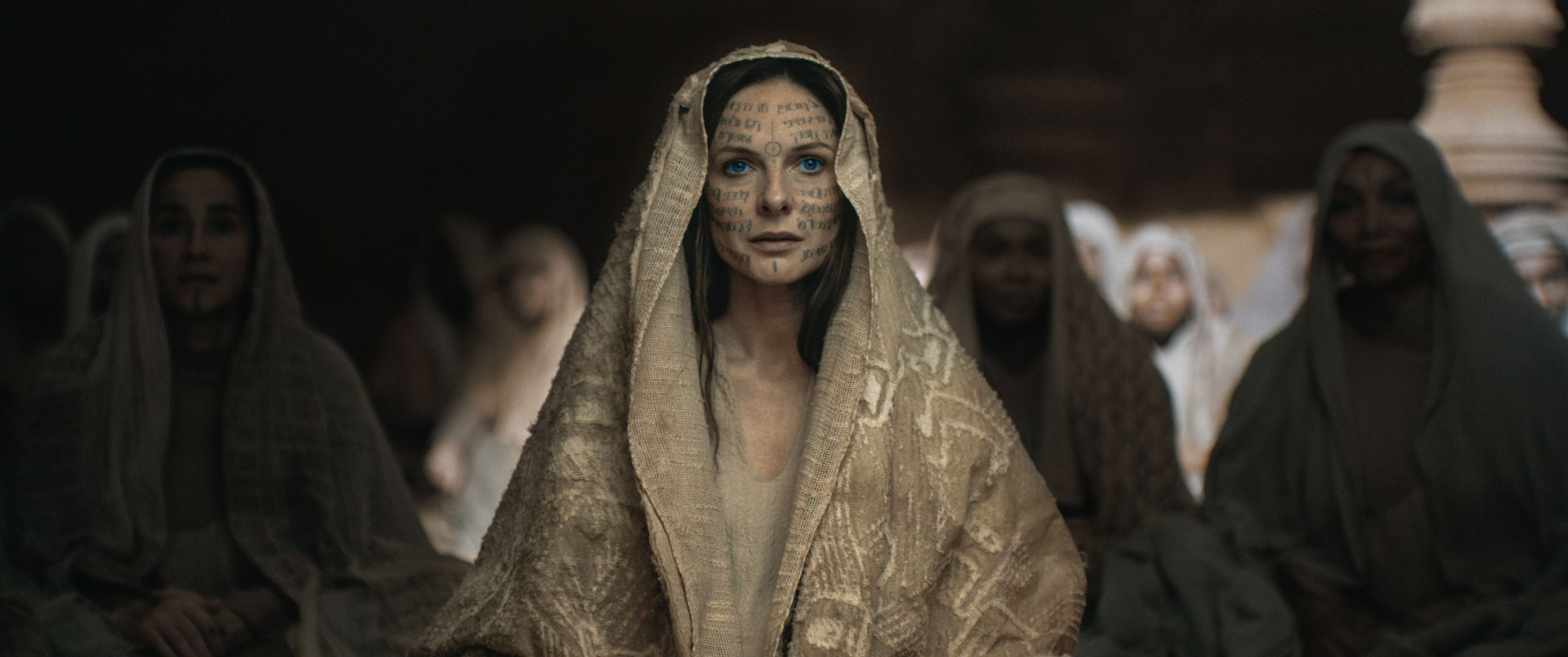
The crown jewel of this decade’s science fiction renaissance is undoubtedly Denis Villeneuve’s ambitious adaptation of Frank Herbert’s legendary Dune novels. After decades of failed attempts and David Lynch’s controversial 1984 version, Villeneuve finally brought the proper scale and gravitas to Herbert’s sprawling 1960s literary masterpiece. The films have not only achieved massive commercial success but have also earned widespread critical acclaim, including Academy Awards for their technical achievements. The dialogue within these films carries the weight of Herbert’s philosophical exploration of power, religion, ecology, and human potential, delivering lines that have already become iconic among both longtime fans and newcomers to the franchise.
The Evolution of Science Fiction Dialogue in Modern Cinema
Science fiction has always been a genre that uses its fantastical settings to explore deeply human questions, and the best sci-fi quotes often distill complex philosophical concepts into memorable phrases. The 2020s have continued this tradition while adding new dimensions to how characters express themselves within these imagined worlds. Unlike the sometimes stilted exposition common in earlier decades of the genre, contemporary sci-fi films have embraced more naturalistic dialogue while still maintaining the sense of wonder and intellectual depth that defines great science fiction. Writers and directors have learned to balance world-building information with emotional authenticity, creating quotes that work both as character moments and as standalone pieces of wisdom.
The superhero sub-genre of science fiction, which dominated the 2010s particularly through Marvel Studios’ unprecedented cinematic universe, has taken a different trajectory in the current decade. While the cultural phenomenon of interconnected superhero films has somewhat cooled, there have still been significant breakout successes that have captured audience imagination. Films like Deadpool and Wolverine brought irreverent humor back to the genre, while James Gunn’s Superman has begun a new chapter for DC’s characters on screen. The Spider-Man trilogy featuring Tom Holland’s Peter Parker managed to weave multiple generations of the beloved web-slinger together in ways that created genuinely emotional and quotable moments that transcended typical superhero fare.
Beyond Franchises: Original Science Fiction Finds Its Voice
Perhaps most encouraging for the future of the genre has been the success of original science fiction properties that exist outside established franchises. Films like Project Hail Mary, based on Andy Weir’s bestselling novel, have demonstrated that audiences remain hungry for fresh stories that prioritize scientific accuracy alongside compelling human drama. These standalone projects often take greater creative risks, exploring themes and scenarios that franchise films might avoid in favor of broader commercial appeal. The dialogue in these films frequently reflects a more grounded approach to futurism, with characters speaking in ways that feel authentic to their extraordinary circumstances while remaining relatable to contemporary viewers.
The technical advancements in filmmaking have also contributed to the power of science fiction dialogue in the 2020s. With visual effects technology reaching unprecedented levels of sophistication, directors can now create immersive worlds that support rather than distract from the emotional core of their stories. When characters deliver pivotal lines against backgrounds of alien landscapes or within the confines of spacecraft, the seamless integration of performance and environment amplifies the impact of every word spoken. This synergy between cutting-edge technology and fundamental storytelling craft has enabled the current generation of sci-fi films to achieve a level of emotional resonance that rivals any other genre in cinema.
Looking Ahead: The Future of Science Fiction Cinema
As we look toward the remainder of the decade, the foundation laid by these exceptional films suggests that science fiction will continue to thrive both commercially and artistically. Upcoming projects from visionary directors, combined with advances in virtual production and artificial intelligence-assisted filmmaking, promise to push the genre into even more ambitious territory. The quotes that emerge from these future films will undoubtedly build upon the legacy established in these early years of the 2020s, continuing the genre’s proud tradition of using imagined futures to illuminate timeless truths about the human condition. For now, audiences can revisit the memorable lines already delivered and appreciate how this decade has reinvigorated science fiction’s capacity to inspire, challenge, and move viewers around the world.
Expert Opinion: The current decade represents a pivotal shift in science fiction filmmaking, where auteur-driven visions like Villeneuve’s Dune are proving that ambitious, intelligent genre films can achieve both critical acclaim and box office success. This trend suggests that studios may increasingly greenlight more challenging sci-fi projects, potentially ushering in a new golden age for the genre that prioritizes thematic depth alongside spectacle.