
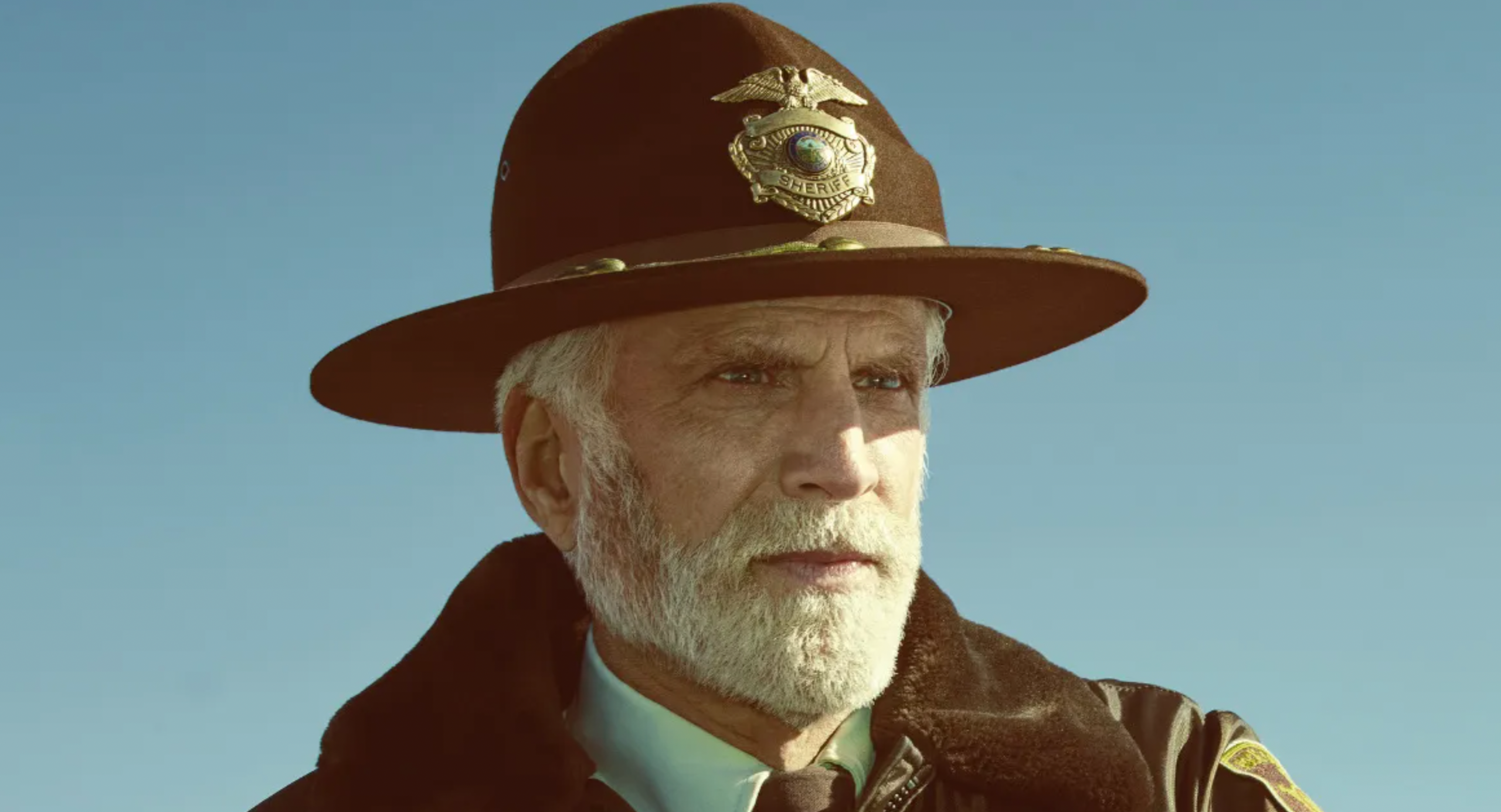
Perhaps the most essential thing about adapting a movie into a TV show is getting the balance right between the old and the new. Viewers want the show to capture the essence of what made the original film compelling while simultaneously offering fresh narratives that justify the expanded format. This delicate equilibrium becomes exponentially more challenging when a television adaptation shares no characters with its source material, and the difficulty multiplies further when the format is an anthology series that must reinvent itself with each passing season while maintaining a consistent tone and quality standard.
FX has mastered this particular art form over the years, building a reputation for prestige television that rivals any streaming giant or premium cable network. The network’s latest detective thriller series represents a culmination of lessons learned from previous anthology successes, blending the rugged authenticity of Taylor Sheridan’s modern Western aesthetic with the moral complexity and character depth that defined Vince Gilligan’s groundbreaking work on Breaking Bad. The result is a ten-part series that critics are calling near-perfect, a rare achievement in an era of content oversaturation.
The Evolution of Anthology Television
The anthology format has experienced a remarkable renaissance in recent years, tracing its roots back to classic programs like The Twilight Zone and Alfred Hitchcock Presents. Modern iterations such as American Horror Story, True Detective, and Fargo have demonstrated that audiences are willing to invest in stories that conclude within a single season, provided the writing and performances are exceptional. This format allows creators to attract A-list talent who might otherwise be reluctant to commit to multi-year contracts, and it enables showrunners to explore diverse settings and themes without being constrained by ongoing narratives.
FX’s new series builds upon this foundation while incorporating elements that feel distinctly contemporary. The network has long been at the forefront of prestige television, having produced acclaimed series including The Shield, Sons of Anarchy, and more recently, The Bear. This latest offering demonstrates that FX continues to understand what modern audiences crave: morally ambiguous characters navigating impossible situations in visually stunning environments that feel both specific and universal.
Blending Cinematic Influences
The comparison to Taylor Sheridan’s work is immediately apparent in the series’ visual language and thematic concerns. Sheridan, the mastermind behind Yellowstone and its numerous spinoffs, as well as films like Sicario and Hell or High Water, has virtually defined a new genre of American storytelling that examines the tension between traditional values and modern realities. His characters often find themselves caught between worlds, forced to make compromising decisions that test their moral foundations. This new FX series captures that essence while pushing into territory that feels more aligned with the psychological intensity of Breaking Bad.
The Breaking Bad influence manifests primarily in the series’ patient character development and its willingness to let tension build gradually over multiple episodes. Vince Gilligan and Peter Gould’s approach to storytelling—where every action has consequences that ripple through subsequent episodes—has clearly informed this production. Characters make decisions in early episodes that seem minor but prove catastrophic by the season’s conclusion, creating a narrative architecture that rewards attentive viewing and punishes distracted consumption.
A New Standard for Detective Thrillers
What distinguishes this series from its many competitors in the detective thriller genre is its commitment to authenticity in both setting and character. The production team reportedly spent months researching actual cases and consulting with law enforcement professionals to ensure that procedural elements feel genuine. This attention to detail extends to the dialogue, which avoids the exposition-heavy tendencies of lesser crime dramas in favor of conversations that reveal character through subtext and implication.
The ten-episode structure proves ideal for the story being told, allowing sufficient time for character development without the padding that often afflicts longer seasons. Each episode serves a specific narrative purpose, advancing both plot and character in ways that feel organic rather than mechanical. This efficiency of storytelling, combined with exceptional performances and stunning cinematography, positions the series as a potential benchmark for future anthology productions seeking to balance artistic ambition with commercial appeal.
Expert Opinion: This series represents a significant evolution in how anthology television can honor its cinematic sources while establishing independent artistic merit. The fusion of Sheridan’s environmental storytelling with Gilligan-style character complexity suggests a maturing television landscape where creators are learning from rather than merely imitating their predecessors. Expect this approach to influence detective thrillers for years to come.