
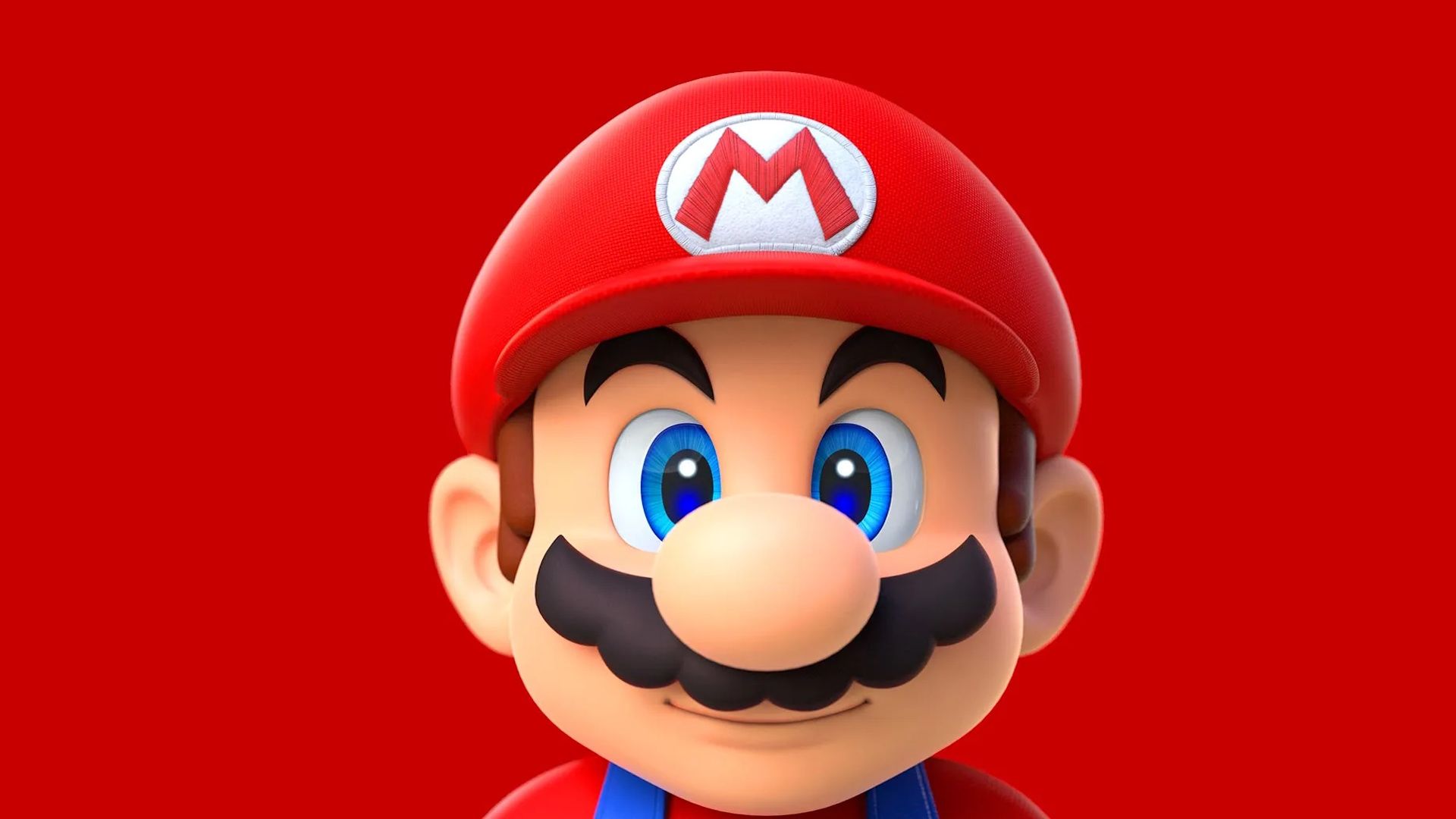
When the Super Nintendo officially launched in North America on August 23, 1991, Nintendo immediately set to work proving the hardware could offer ambitious experiences the original NES simply could not. The console represented a quantum leap in home gaming technology, introducing players to a new era of visual fidelity and gameplay complexity that would define the 16-bit generation. Games took advantage of new capabilities, including the ability to display many more colors on-screen simultaneously, as well as the revolutionary Mode 7 visuals that allowed developers to spin and rotate backgrounds to create stunning illusions of three-dimensional depth. This technological advancement would lay the groundwork for Nintendo’s future innovations, including their decades-long quest to bridge the gap between portable and home gaming experiences.
The Super Nintendo’s Mode 7 technology became a defining feature of the early 1990s gaming landscape, enabling experiences that felt genuinely next-generation compared to the 8-bit era. Titles like F-Zero showcased pseudo-3D racing with smooth track rotation, while Pilotwings demonstrated flight simulation capabilities that seemed impossible on home consoles just years earlier. Super Mario Kart utilized Mode 7 to create its iconic racing perspective, establishing a franchise that continues to dominate gaming charts more than three decades later. These technical achievements demonstrated Nintendo’s commitment to pushing hardware boundaries while maintaining accessible, enjoyable gameplay experiences for players of all skill levels.
The Portable Revolution and Hardware Convergence
While the SNES dominated living rooms, Nintendo was simultaneously revolutionizing portable gaming with the Game Boy, which had launched in 1989. The company’s dual-track strategy of developing both home consoles and handheld devices created an interesting challenge: how to maintain distinct product lines while potentially sharing experiences between them. This question would occupy Nintendo’s engineering and design teams for decades, eventually culminating in the Nintendo Switch’s hybrid approach in 2017. However, the seeds of this convergence were planted much earlier than most gaming historians acknowledge, with Nintendo experimenting with connectivity and cross-platform features throughout the 1990s and early 2000s.
The Super Game Boy adapter, released in 1994, represented one of Nintendo’s earliest attempts to blur the boundaries between portable and home gaming. This innovative peripheral allowed players to enjoy Game Boy titles on their television screens through the SNES, complete with customizable color palettes and special borders. While seemingly simple by today’s standards, this device demonstrated Nintendo’s understanding that players wanted flexibility in how and where they enjoyed their games. The commercial success of the Super Game Boy proved there was genuine consumer demand for hybrid gaming experiences, validating research and development investments that would continue for generations.
Legacy of Innovation and the Path to Switch
Nintendo’s willingness to experiment with hardware configurations throughout the following decades reflected lessons learned during the SNES era. The GameCube-Game Boy Advance connectivity features, the Wii U’s tablet controller concept, and various portable console iterations all represented steps toward the eventual Switch breakthrough. Each generation built upon previous experiments, with Nintendo engineers learning from both successes and failures to refine their vision of truly portable home console gaming. The company’s patient, iterative approach to hardware design stands in contrast to competitors who often prioritized raw processing power over innovative form factors and user experiences.
The Super Nintendo’s 1991 launch anniversary serves as a reminder that Nintendo’s most celebrated modern innovation—the Switch’s hybrid design—emerged from decades of careful experimentation and technological evolution. The company’s commitment to offering players new ways to experience games, rather than simply delivering incremental graphical improvements, has defined Nintendo’s identity throughout its history. From Mode 7’s pseudo-3D effects to the Switch’s seamless transition between television and handheld modes, Nintendo has consistently prioritized gameplay innovation and player accessibility. This philosophy continues to influence the gaming industry, inspiring competitors and independent developers alike to think creatively about how and where people play games.
Expert Opinion: Nintendo’s long-term hardware strategy demonstrates a masterclass in incremental innovation, where each generation builds carefully upon previous experiments rather than chasing short-term technological trends. The Switch’s unprecedented commercial success—selling over 140 million units—validates this patient approach and suggests Nintendo’s next hardware iteration will likely continue evolving the hybrid concept rather than abandoning it. Industry analysts should watch for Nintendo to further integrate cloud gaming and enhanced portability features as the company continues blurring the lines between gaming platforms.