
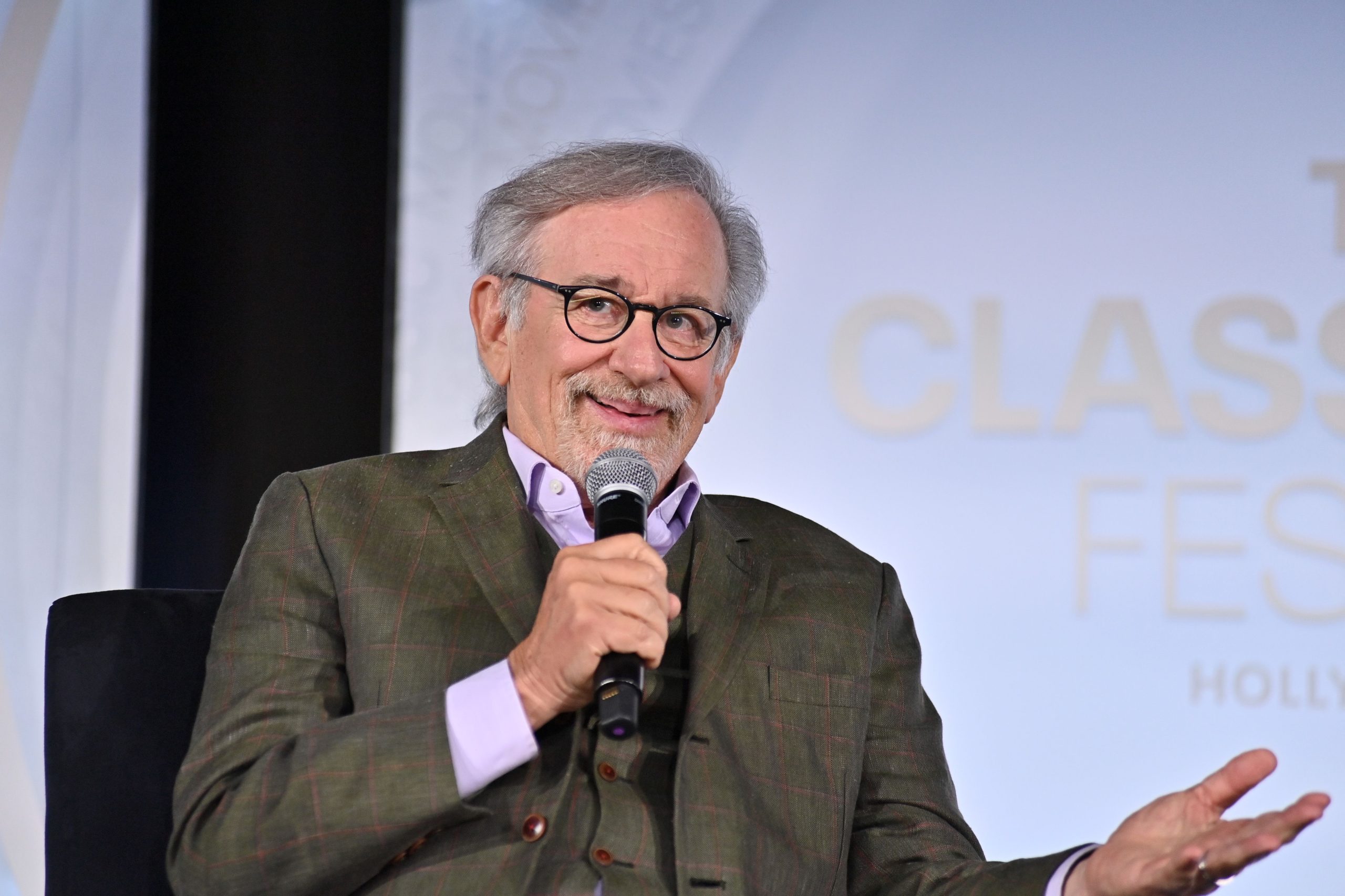
Steven Spielberg has spent more than five decades crafting the kinds of movies that become permanent fixtures of pop culture, and his remarkable ability to captivate audiences across generations continues to prove itself in the streaming age. The legendary filmmaker, now 78 years old, has seen one of his most beloved science fiction creations surge back to the top of streaming charts, demonstrating that truly great cinema transcends the era in which it was made. This resurgence speaks to both the timeless quality of Spielberg’s storytelling and the enduring appetite audiences have for thoughtfully crafted, emotionally resonant filmmaking.
The film in question, which runs a tight 115 minutes, represents Spielberg at his creative peak—a master storyteller combining groundbreaking visual effects with deeply human narratives. In an era dominated by superhero franchises and franchise tentpoles that routinely exceed two and a half hours, this sci-fi gem reminds viewers that a well-paced story doesn’t need excessive runtime to leave a lasting impression. Streaming platforms have given classic films new life, allowing younger audiences to discover the works that shaped modern cinema while giving older viewers the opportunity to revisit cherished memories.
Spielberg’s Unmatched Legacy in Science Fiction
Throughout his illustrious career, Steven Spielberg has fundamentally shaped the science fiction genre in ways that continue to influence filmmakers today. From his breakthrough with “Jaws” in 1975, which essentially invented the summer blockbuster, to groundbreaking works like “Close Encounters of the Third Kind,” “E.T. the Extra-Terrestrial,” and “Jurassic Park,” Spielberg has consistently demonstrated an unparalleled ability to blend spectacular visuals with emotional depth. His approach to science fiction has always prioritized the human element, focusing on how extraordinary circumstances affect ordinary people rather than simply showcasing technological marvels.
What sets Spielberg apart from many of his contemporaries is his intuitive understanding of audience psychology. He knows precisely when to build tension, when to release it, and how to create moments of genuine wonder that stay with viewers long after the credits roll. His films often explore themes of family, childhood innocence, and the fundamental human desire for connection—universal concepts that resonate regardless of the fantastical settings in which they’re placed. This emotional grounding is precisely why his work continues to find new audiences decades after initial release, as each generation discovers these stories anew.
The Streaming Revolution and Classic Cinema
The resurgence of classic films on streaming platforms represents a fascinating shift in how audiences consume entertainment. Unlike the theatrical model, where films had limited windows of visibility before fading into obscurity, streaming services have created an environment where older titles can suddenly capture the zeitgeist and dominate viewing charts. This phenomenon has been particularly beneficial for films from directors like Spielberg, whose work possesses the quality and craftsmanship to stand alongside contemporary releases. Industry analysts note that streaming algorithms often recommend classic titles to users who have exhausted newer content, creating organic discovery opportunities that didn’t exist in previous distribution models.
For studios and rights holders, this renewed interest in catalog titles represents a significant revenue opportunity. Films that were once considered commercially exhausted are finding entirely new audiences, generating streaming revenue and merchandise sales that extend their profitability far beyond traditional theatrical and home video windows. Spielberg’s films, in particular, have proven remarkably durable in this new landscape, with several of his classic works regularly appearing on trending lists across major streaming platforms. The director’s commitment to practical effects and timeless storytelling techniques means his films often age better than those relying heavily on cutting-edge CGI that quickly becomes dated.
Why Audiences Keep Returning to Spielberg
The enduring appeal of Spielberg’s science fiction work can be attributed to several factors that distinguish his films from typical genre fare. First, there’s his masterful command of visual storytelling—every frame is carefully composed to maximize emotional impact, drawing viewers into the narrative without relying on excessive exposition or dialogue. Second, his collaboration with composer John Williams has produced some of the most iconic musical scores in cinema history, creating audio-visual experiences that become permanently embedded in cultural memory. Finally, Spielberg’s genuine love for the medium shines through in every project, infusing his work with an enthusiasm and craftsmanship that audiences instinctively recognize and appreciate.
As streaming continues to reshape the entertainment landscape, the success of classic Spielberg films offers valuable lessons for contemporary filmmakers. In an industry increasingly focused on franchises and intellectual property, there remains a substantial audience hungry for original, well-crafted storytelling that prioritizes emotional resonance over spectacle. The 115-minute runtime of this particular film also serves as a reminder that effective storytelling doesn’t require bloated runtimes—a lesson that many modern blockbusters would benefit from learning. As Spielberg himself continues working on new projects, his classic films serve as both entertainment and masterclass for anyone interested in the art of cinema.
Expert Opinion: The consistent performance of Spielberg’s catalog on streaming platforms signals a broader audience fatigue with formulaic franchise filmmaking and a growing appreciation for auteur-driven storytelling. Industry observers should expect studios to increasingly leverage their classic film libraries as strategic assets, while the success of these titles may influence a return to more modestly-budgeted, character-focused blockbusters in the coming years.