
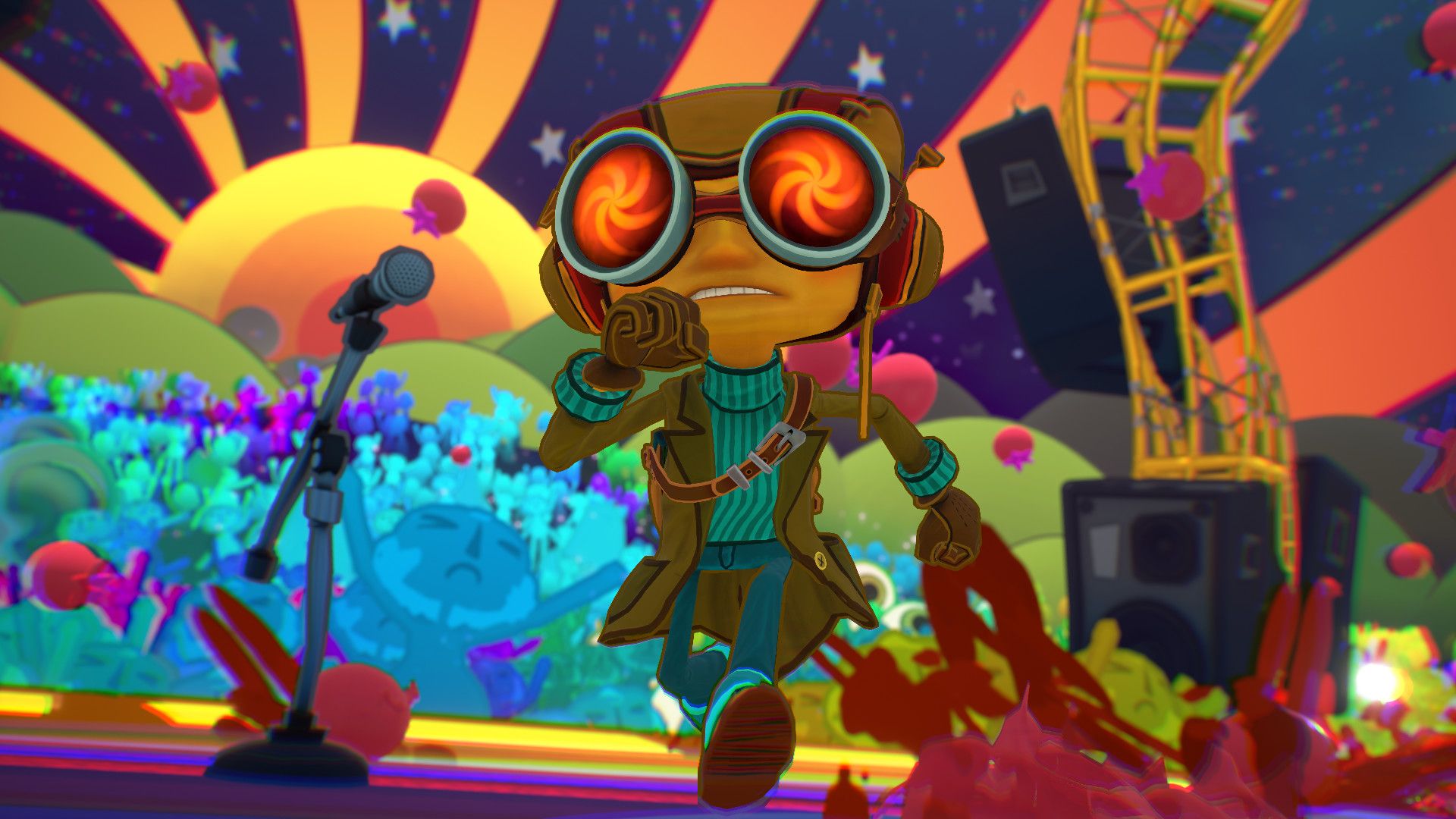
In a significant announcement following its recent turbulent separation from Microsoft, beloved indie studio Double Fine Productions has revealed its first major project as an independent company. The studio behind critically acclaimed titles like Psychonauts and Broken Age has launched a Kickstarter campaign for the next installment of its celebrated game jam series, Amnesia Fortnight. Company founder and CEO Tim Schafer shared the exciting news during an appearance on the popular Kinda Funny podcast, marking a new chapter for the legendary development team.
A Return to Creative Independence
The announcement comes at a pivotal moment for Double Fine, which spent several years under the Xbox Game Studios umbrella after being acquired by Microsoft in 2019. The acquisition was initially seen as a major win for the studio, providing financial stability and resources to complete ambitious projects like Psychonauts 2, which released to widespread critical acclaim in 2021. However, the gaming industry landscape shifted dramatically in recent years, with Microsoft implementing significant restructuring across its gaming division. Double Fine’s departure from the corporate giant was described as tumultuous, leaving fans and industry observers wondering about the studio’s future direction.
Tim Schafer, the visionary game designer known for his work on classic LucasArts adventure games like Grim Fandango and Full Throttle, has always championed creative freedom and experimental game development. The decision to return to Amnesia Fortnight as the studio’s first independent project speaks volumes about Double Fine’s commitment to its creative roots. Rather than immediately pursuing a major commercial release, the team is focusing on the experimental format that has historically produced some of the studio’s most innovative ideas.
The Legacy of Amnesia Fortnight
Amnesia Fortnight has been a cornerstone of Double Fine’s creative process since its inception in 2007. The concept is elegantly simple yet remarkably effective: developers split into small teams and spend two weeks creating prototype games from scratch, with the stipulation that they must forget about their main projects during this period, hence the name. This format has produced numerous game concepts that eventually became full releases, including Costume Quest, Stacking, and the critically praised Hack ‘n’ Slash. The game jam has also served as an invaluable training ground for emerging talent within the studio, fostering innovation and collaboration in ways that traditional development cycles rarely allow.
Previous Amnesia Fortnight events have been opened to public participation through similar crowdfunding campaigns, allowing fans to vote on which prototypes the teams should develop. This democratic approach to game development was revolutionary when Double Fine first implemented it, and it has since influenced how many studios approach community engagement and early-stage development. The transparency of showing unfinished work and incorporating player feedback has become a hallmark of the Double Fine brand, building a loyal community that has supported the studio through various transitions over the years.
Industry Context and Future Outlook
The gaming industry has experienced unprecedented turbulence in recent years, with major layoffs affecting thousands of developers across virtually every major publisher and studio. Microsoft’s gaming division alone has seen multiple rounds of significant workforce reductions, making Double Fine’s independent resurgence particularly noteworthy. The studio’s decision to leverage Kickstarter demonstrates both confidence in its community and a pragmatic approach to funding creative projects without corporate oversight. Crowdfunding platform Kickstarter has been instrumental in Double Fine’s history, most notably with the massively successful Broken Age campaign in 2012, which raised over $3.3 million and helped legitimize video game crowdfunding as a viable development model.
For longtime fans of Double Fine and Tim Schafer’s distinctive brand of humor and creativity, this announcement represents more than just another project. It signals that the studio intends to maintain its identity as a haven for unconventional game design and storytelling. As the industry continues to consolidate around safe, proven formulas, independent studios like Double Fine play an increasingly vital role in pushing boundaries and exploring new creative territories. The success of this Kickstarter campaign will likely influence how the studio approaches larger projects in the future, potentially setting the stage for new original IP or even long-requested sequels to beloved classics.
Expert Opinion: Double Fine’s strategic pivot to crowdfunding immediately after leaving Microsoft demonstrates remarkable business acumen and suggests the studio has learned valuable lessons from its corporate experience. This move allows them to gauge community interest while maintaining complete creative control, positioning them strongly for whatever ambitious project comes next. Industry observers should watch this campaign closely as a potential blueprint for other studios navigating the current wave of gaming industry consolidation and layoffs.