
Nintendo has spent over four decades establishing itself as one of the most influential forces in gaming history, creating experiences that have shaped how we interact with digital entertainment. The Japanese gaming giant’s reputation for producing consistently excellent titles is well-earned, yet between exciting new releases and the classics that dominate every “best games ever” conversation, it’s remarkably easy to overlook some of the company’s most transformative works. Whether you’re a younger gamer who missed entire generations of essential titles, or someone who discovered video games later in life, experiencing these landmark games firsthand offers something that cultural osmosis simply cannot replicate. Understanding why these games matter requires actually playing them, feeling the precision of their controls, and discovering the design philosophies that continue to influence developers worldwide.
The Foundation: Understanding Nintendo’s Design Philosophy
What separates Nintendo from its competitors has always been the company’s unwavering commitment to gameplay innovation over raw technical power. While Sony and Microsoft have engaged in hardware arms races, Nintendo has consistently prioritized unique experiences that could only exist on their platforms. This philosophy traces back to legendary designer Shigeru Miyamoto, who joined Nintendo in 1977 and went on to create franchises including Mario, The Legend of Zelda, and Donkey Kong. Miyamoto’s approach to game design emphasizes intuitive mechanics, gradual skill development, and the pure joy of play—principles that remain embedded in Nintendo’s DNA to this day. The company’s willingness to take creative risks has produced some of gaming’s most beloved titles, but it has also resulted in hidden gems that deserve more attention than they typically receive.
Nintendo’s influence extends far beyond its own hardware. Many mechanics and design conventions that modern gamers take for granted originated in Nintendo titles. The concept of the open-world game, the metroidvania genre, and even the modern third-person action-adventure format all owe significant debts to Nintendo’s experimentation. Playing these foundational games provides crucial context for understanding how the medium evolved and why certain design choices became industry standards. It’s a form of interactive history that textbooks and YouTube documentaries cannot adequately convey.
Why Experiencing Classics Matters for Modern Gamers
In an era dominated by live-service games and endless content updates, returning to self-contained classic experiences offers a refreshing change of pace. Nintendo’s older titles were designed to be complete packages, offering satisfying gameplay loops and definitive endings without the modern pressure of battle passes or seasonal content. These games respected players’ time while still providing substantial challenges and memorable moments. For modern gamers accustomed to games that never truly end, experiencing a tightly designed twelve-hour adventure can feel revolutionary. The focused nature of classic Nintendo games demonstrates that quality consistently trumps quantity, a lesson that many contemporary developers would benefit from relearning.
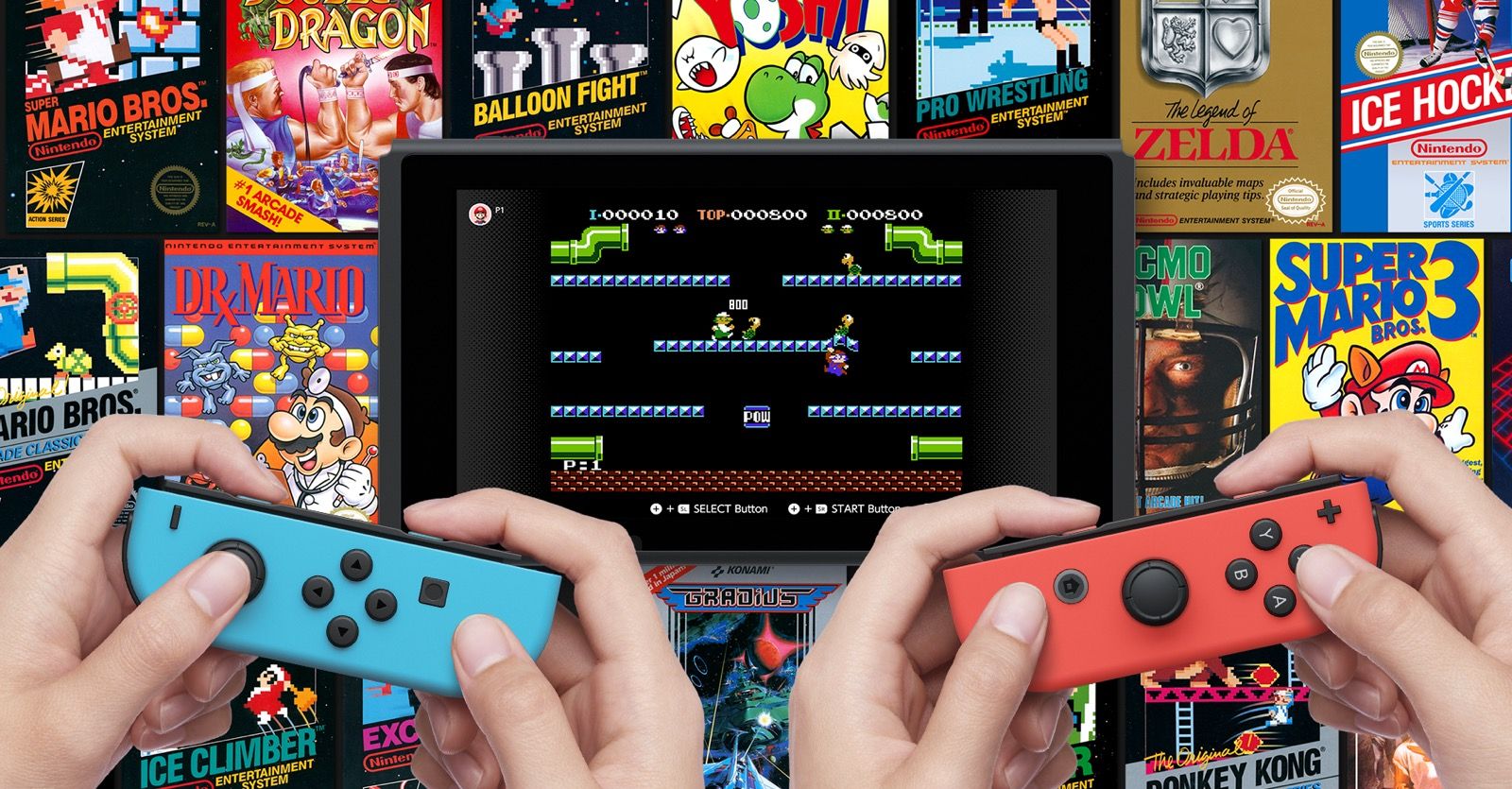
The accessibility of classic Nintendo games has never been better, thanks to services like Nintendo Switch Online, which provides subscribers access to libraries of NES, SNES, Nintendo 64, and Game Boy titles. Physical collectors can still find cartridges and older hardware, though prices have risen substantially as retro gaming has grown in popularity. Emulation remains another option, existing in a legal gray area that nonetheless has helped preserve gaming history when official channels have failed. Whatever method you choose, the important thing is actually experiencing these games rather than simply reading about them or watching others play.
The Lasting Impact on Gaming Culture
Nintendo’s influence on gaming culture extends well beyond the games themselves. Characters like Mario, Link, and Samus have become cultural icons recognized by people who have never picked up a controller. The company’s music, composed by legends like Koji Kondo, has been performed by symphony orchestras worldwide. Nintendo’s commitment to family-friendly content while still creating games with genuine depth and challenge has proven that accessibility and quality need not be mutually exclusive. Playing these essential titles provides insight into how one company’s creative vision has shaped entertainment for multiple generations, establishing templates that continue to define what video games can achieve.
Expert Opinion: Industry analysts suggest that Nintendo’s back catalog represents an unparalleled resource for understanding game design fundamentals. As the gaming industry increasingly looks to its past for inspiration—evidenced by the flood of remakes and remasters—players who experience original classics gain valuable perspective on which design elements truly stand the test of time versus those that were merely products of their era. The company’s continued commercial success with nostalgia-driven products indicates that demand for these experiences will only grow in coming years.