
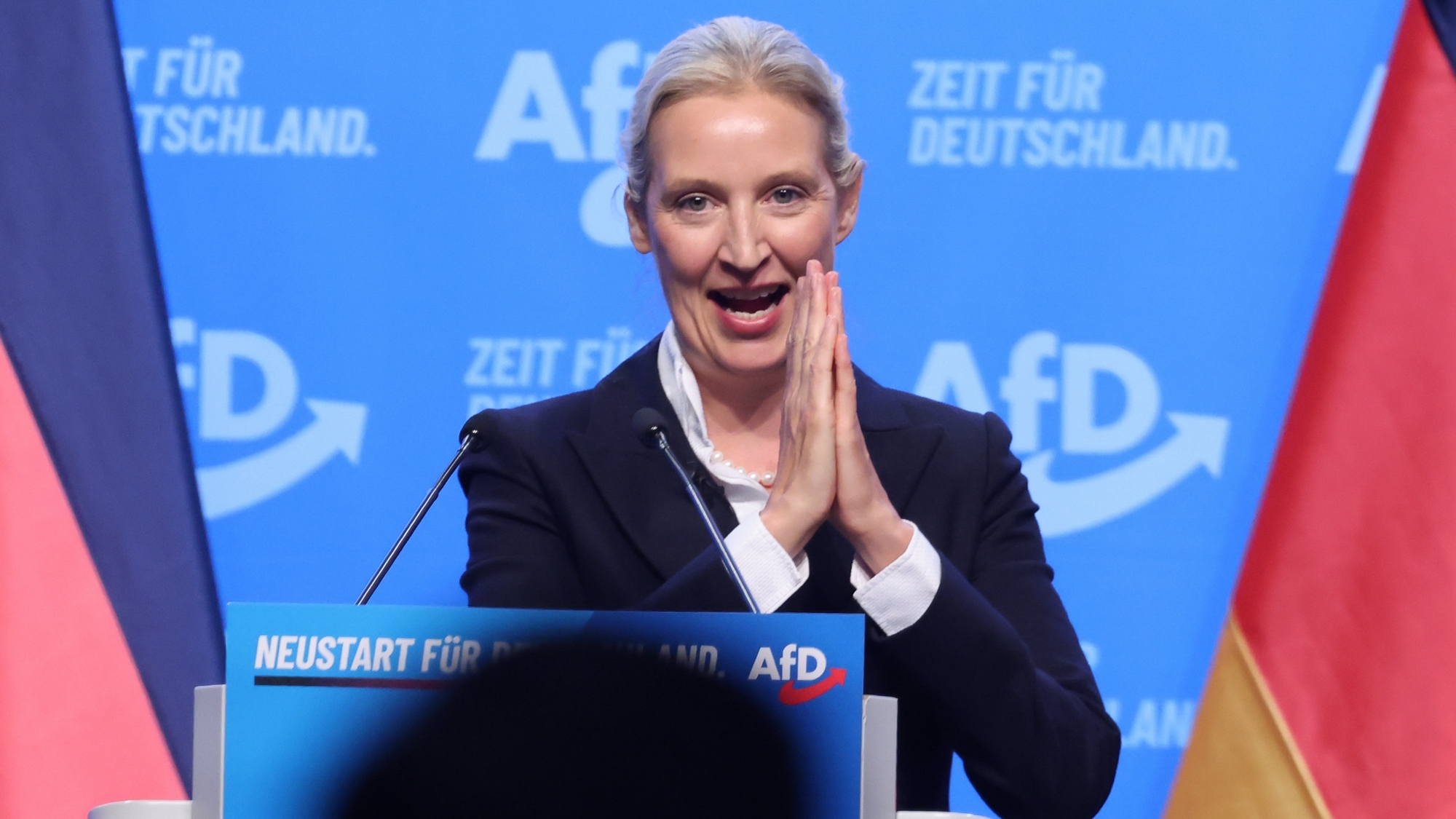
Alice Weidel, the leader of Germany’s far-right Alternative for Germany (AfD) party, has announced her intention to withdraw the country from the eurozone, marking one of the most radical economic policy proposals in recent German political history. The nationalist political force has compiled a comprehensive list of policy positions ahead of upcoming local elections, with monetary sovereignty emerging as a central campaign theme. This proposal, if ever implemented, would send shockwaves through the European financial system and fundamentally alter the architecture of the European Union.
The announcement comes at a time when the AfD continues to poll strongly in several German states, particularly in the eastern regions where economic anxieties and skepticism toward European integration remain prevalent. Weidel’s proposal to abandon the common European currency represents a significant escalation in the party’s eurosceptic platform, moving beyond criticism of EU policies to advocating for structural separation from one of the bloc’s foundational institutions.
Historical Context of German-Euro Relations
Germany’s relationship with the euro has been complex since the currency’s inception in 1999. As Europe’s largest economy and the eurozone’s most influential member, Germany played a pivotal role in establishing the common currency framework. The deutsche mark, which the euro replaced, was considered one of the world’s most stable currencies and a symbol of Germany’s post-war economic miracle. Many Germans initially viewed the transition to the euro with skepticism, fearing it would lead to inflation and economic instability.
The eurozone crisis of 2010-2012, which saw countries like Greece, Portugal, and Ireland require massive bailouts, reinforced these concerns among certain segments of the German population. Critics argued that German taxpayers were effectively subsidizing less fiscally disciplined member states. It was precisely during this period that the AfD was founded in 2013, initially as a single-issue party opposed to eurozone bailouts before evolving into a broader nationalist movement. The party’s original founders included economists and academics who questioned the sustainability of the monetary union.
Economic Implications of a German Euro Exit
Economists warn that a German withdrawal from the eurozone would trigger unprecedented financial chaos across the continent. Germany contributes approximately 27% of the European Central Bank’s capital and serves as the anchor of the entire monetary system. A so-called “Dexit” would likely cause the immediate collapse of the euro as a viable currency, with catastrophic consequences for trade, investment, and savings across all member states.
Financial analysts estimate that such a move would result in trillions of euros in losses across European markets. German exports, which benefit significantly from the relatively weaker euro compared to what a standalone German currency would likely be valued at, could become substantially more expensive on international markets. Major German industries, including automotive and manufacturing sectors, have repeatedly expressed opposition to any departure from the common currency, citing the competitive advantages the current system provides.
Political Landscape and Electoral Strategy
The AfD’s radical monetary proposal appears designed to energize its base ahead of crucial local elections while distinguishing the party from mainstream political competitors. Currently polling as the second-strongest party nationally in some surveys, the AfD has sought to capitalize on various grievances, including immigration concerns, energy prices, and perceived loss of national sovereignty to Brussels. The euro exit proposal represents the latest attempt to position the party as the only force willing to fundamentally challenge Germany’s post-war consensus on European integration.
Mainstream German parties, including the governing coalition partners and the opposition Christian Democrats, have uniformly rejected any notion of abandoning the euro. Chancellor Olaf Scholz’s government has reiterated Germany’s commitment to the European project, while business leaders and trade unions alike have warned against the economic catastrophe that would follow such a policy. Nevertheless, the AfD’s willingness to advocate for previously unthinkable positions continues to shift the boundaries of acceptable political discourse in Germany, forcing other parties to address concerns about European integration that they might otherwise prefer to avoid.
Expert Opinion: While the AfD’s euro exit proposal is unlikely to be implemented given the party’s exclusion from coalition governments at the federal level, its rhetorical impact should not be underestimated. This represents a strategic normalization of eurosceptic discourse in Germany, which could gradually erode public support for European integration over time. Financial markets will likely monitor German political developments more closely, as even the theoretical possibility of eurozone fragmentation introduces systemic risk into European economic calculations.